

Art imitating life
Tasked with capturing the attention of distracted audiences, two screenwriters share why it pays to play it personal on the small screen.
Trinity Today 2025 | By Justin Meneguzzi
‘Write what you know’ is a classically vague gem of advice that many young writers encounter, but what if it could land you in hot water?
For New Zealand-born screen writer Simone Nathan (TC 2011), whose high-profile credits include Taika Waititi’s Our Flag Means Death for HBO and Bloodline (Netflix), one of her biggest projects was also one of her most personal. Now in its second season, comedy drama Kid Sister follows a loveable train-wreck of a young woman learning to balance the expectations of her Jewish family with the determination to forge her own path.
It is ‘loosely based’ on Simone’s own life growing up in Auckland, with Simone even playing the main character, Lulu.
Below: Simone Nathan on the set of Kid Sister.

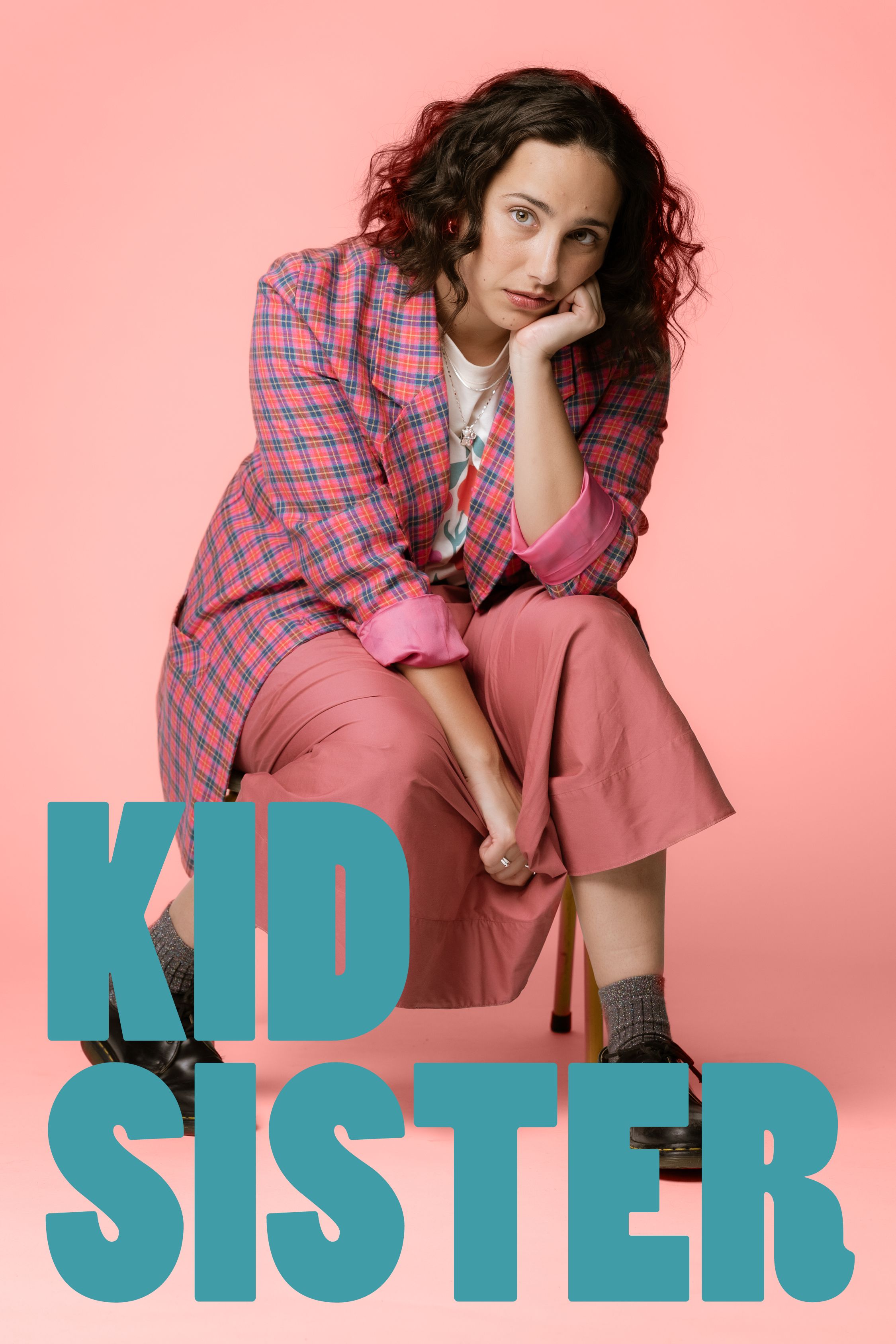

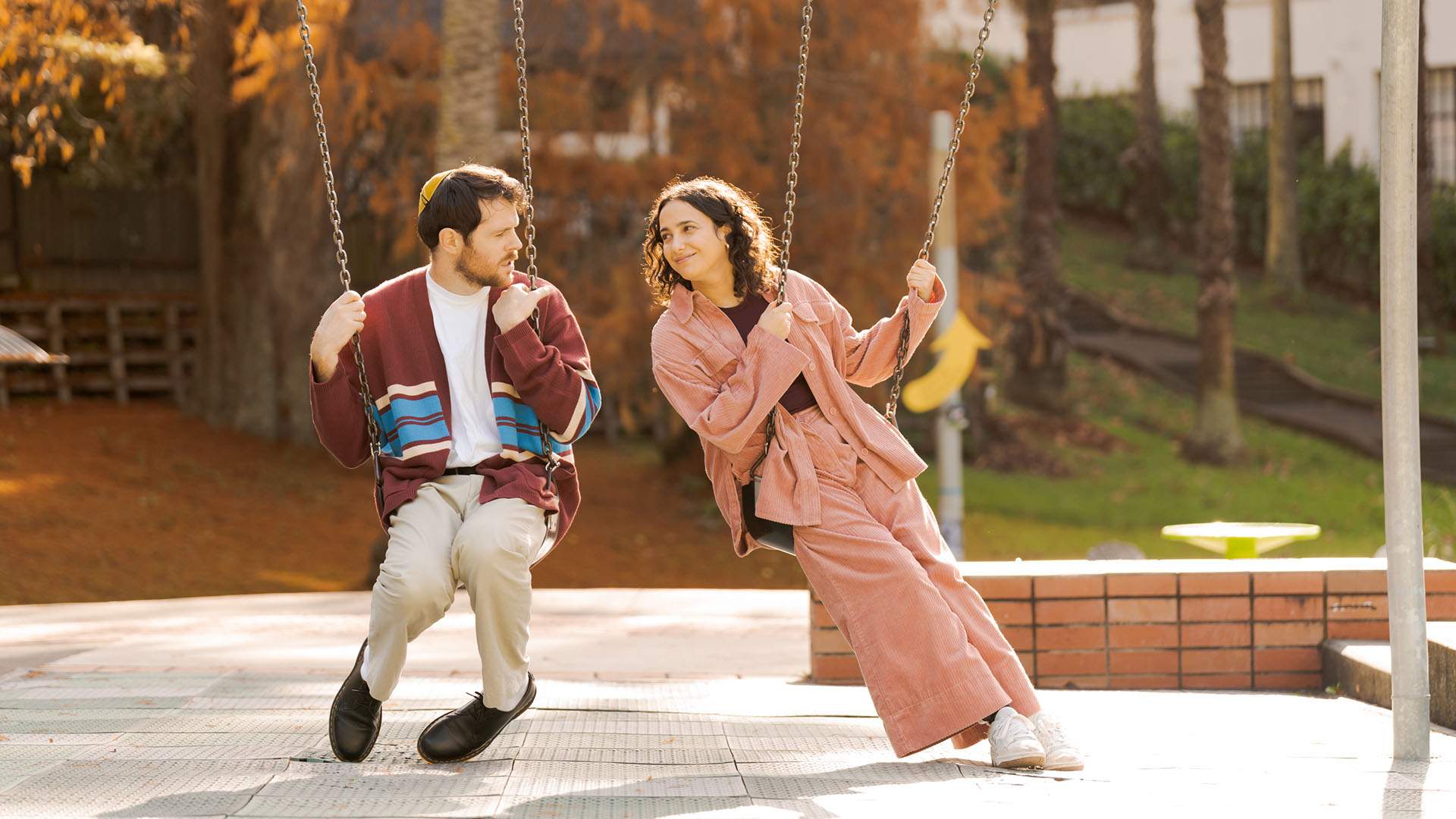


Simone Nathan on the set of Kid Sister
Simone Nathan on the set of Kid Sister
‘As much as we all want to write a huge high-concept show, you need to earn your stripes first as a young screenwriter,’ she says. ‘The industry needs a little blood sacrifice before they feel like you can tell other stories.’
For Simone, who was a Trinity resident while studying her Bachelor of Arts at the University of Melbourne, translating her lived experience into something that resonated with audiences often required taking liberties with the truth.
Multiple real people were distilled into a single character, her brother was omitted from the show’s family completely, and real events were heightened with outlandish stakes, like a surprise pregnancy.
‘There are parts of the show where I don’t even remember what is true and what was made up,’ says Simone, who admits to worrying that a rabbi in the series, who was not based on her community’s very real and much-loved rabbi, might accidentally have caused offence. But when the series aired, there was nothing but support for the character.
'There are parts of the show where I don’t even remember what is true and what was made up.'
Simone puts this down to comedy being a forgiving art form.
Exaggerating reality can act as a mask that shields the comedian from personal criticism but also spares friends and family from feeling like they are being skewered in public.
‘The good news is the real people that you base your characters off can generally only recognise themselves if it’s a good thing,’ Simone says. ‘If it’s a negative quality, they think you just made that bit up. It’s like the human ego doesn’t allow you to feel personally attacked.’
Fran Derham (TC 2002), who was a Trinity College residential student from 2002 to 2003, says drama, like comedy, is another mask that helps storytellers share intimate experiences in a way that doesn’t feel like it oversteps personal boundaries.
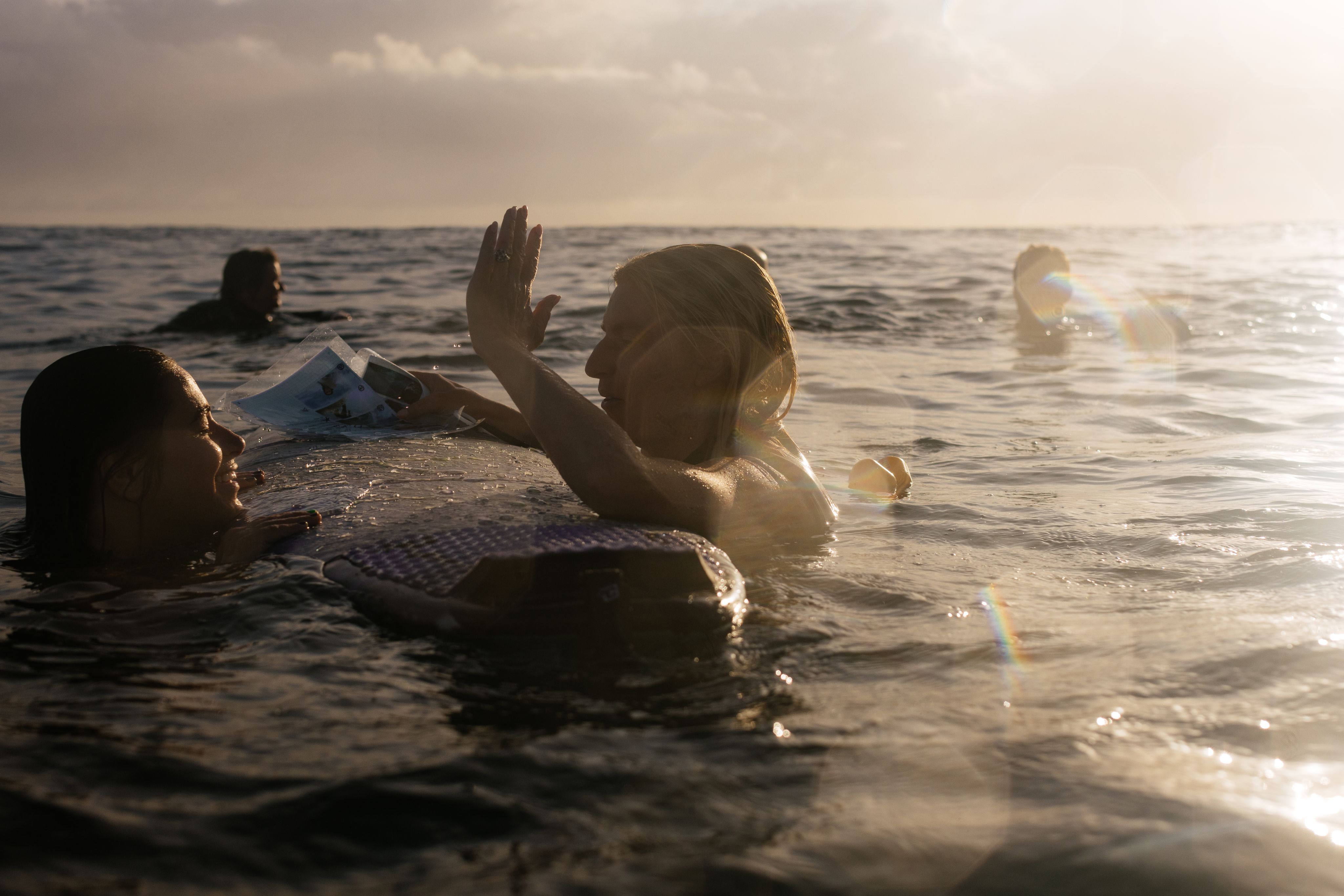
The Melbourne producer, whose career began in copywriting and photography before veering into freelance TV and film production, co-wrote the hit Netflix teen surf drama Surviving Summer with acclaimed producer Joanna Werner.
Her most recent show, the black comedy web-series Buried, this year won an Australian Academy of Cinema and Television Arts (ACCTA) Award for best online drama or comedy.
In addition to fictional drama, Fran has also produced documentaries including Finding the Line and First Love, which follow real women navigating male-dominated industries such as surfing and mountain skiing.
‘Even if you’re producing a documentary, it still needs to be marketable,’ she says. ‘It needs to have a story people can connect with and be interested in. This means structuring a true story with real people into a narrative form that feels familiar for audiences.
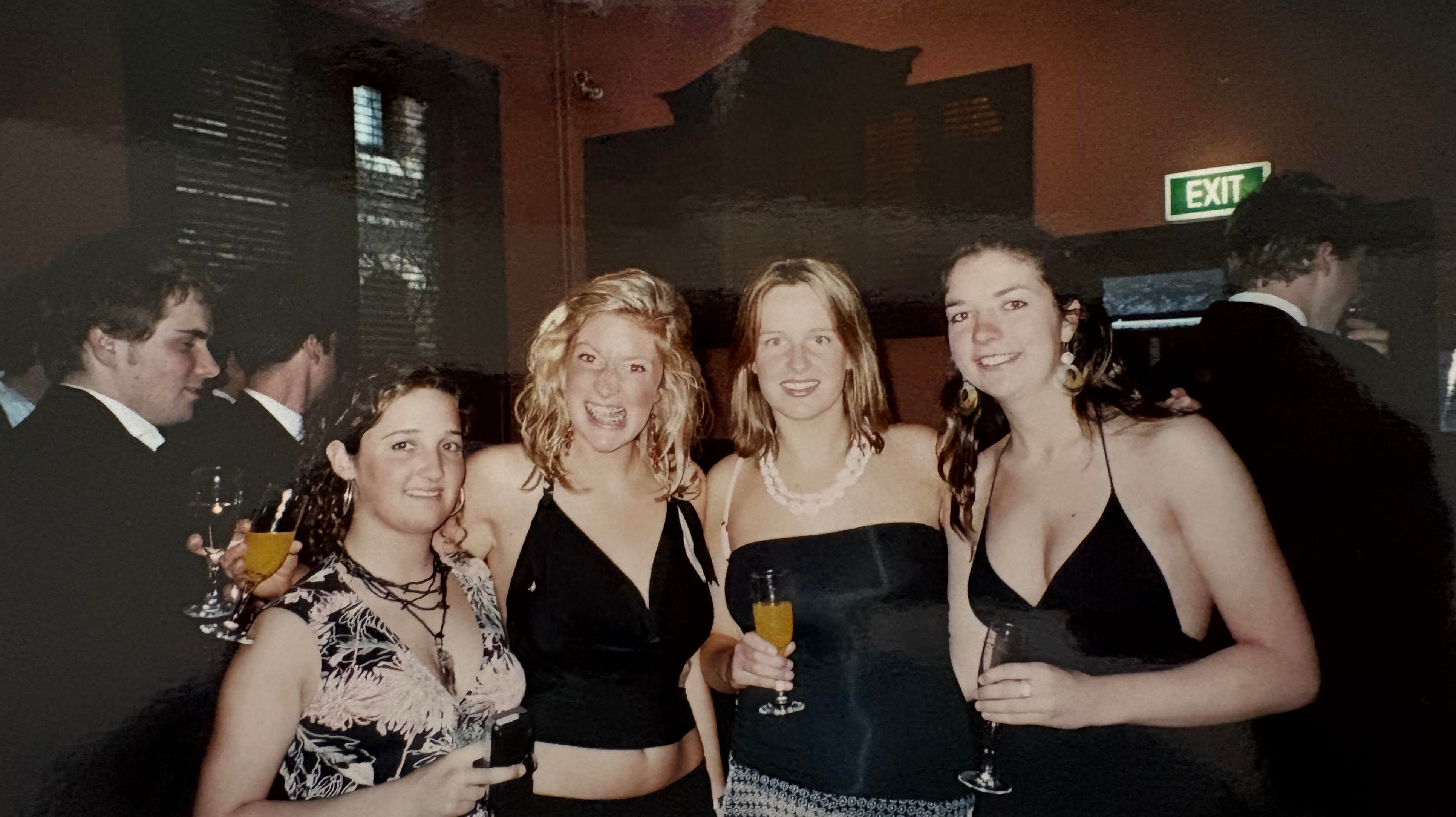
Below: Fran Derham (second from left) during her Trinity days.

‘As humans, it’s ingrained in us to find narrative structure in things. Is it a tragedy or romance? Who is the protagonist and antagonist?
'We build an understanding of stories over the course of our lives by reading books or watching movies. It starts from when our parents read books to us as kids.'
Translating the complicated mess that is real life into a neat narrative arc is a delicate process that requires a lot of trust between the documentary’s subject and producers like Fran, who describes the process as a two-way street that requires her to give up a little piece of herself, too.
‘Filmmaking is a team sport,’ she says. ‘You can’t do it without others and, whether you’re a filmmaker or not, it’s all about the people you surround yourself with – this is certainly a realisation that I had while at Trinity. You’re working together to create your vision.’
When characters feel real because their experiences are grounded in the truth, no matter how dramatic or exaggerated they may be, that is when audiences are compelled to put down their phones and tune in.
'Filmmaking is a team sport... You can’t do it without others and, whether you’re a filmmaker or not, it’s all about the people you surround yourself with – this is certainly a realisation that I had while at Trinity.'
READ NEXT STORY >>> SUPER TROOPER
<<< BACK TO THE TRUTH IN FICTION
 Built with Shorthand