
Facing
the music
Trinity Today 2025 | By Robbie Byrne


Like her Kaytetye ancestors whose practices moved with the rhythm of nature, Rona Glynn-McDonald (TC 2014) works in what she calls ‘seasons’. ‘It’s the same energy put in different places at different times – the way I contribute to the world is always shifting.’
Rona is more than just a musician. A chief executive, DJ, producer, Indigenous rights advocate and adviser, her eclectic approach to life reflects a cohort of rising Aussie artists redefining what it means to be a musician. But is this multifaceted approach born of relentless creativity, or necessity?
For Rona, it’s largely the former. ‘Everything I contribute to uses different parts of my brain,’ she says. ‘It enables me to pour fresh energy into one project at a time.’
Rona has long struggled with the concept of having a job for life, confessing that as a teenager she was ‘drawn to so many unconnected things’ that the prospect of going to university to specialise in one field was ‘daunting’.
This eagerness to thrive in so many disciplines is inspired in some ways by her childhood days learning the violin. Despite arriving at Trinity College vowing to never to pick up the instrument again, she believes her classical music background now provides the necessary composure to balance numerous roles today.
‘It certainly drives discipline,’ she says. ‘You need to be hyper-focused, and that muscle is really brought to the fore with classical music.
‘Everything I contribute to uses different parts of my brain... it enables me to pour fresh energy into one project at a time.’
Rona Glynn-McDonald
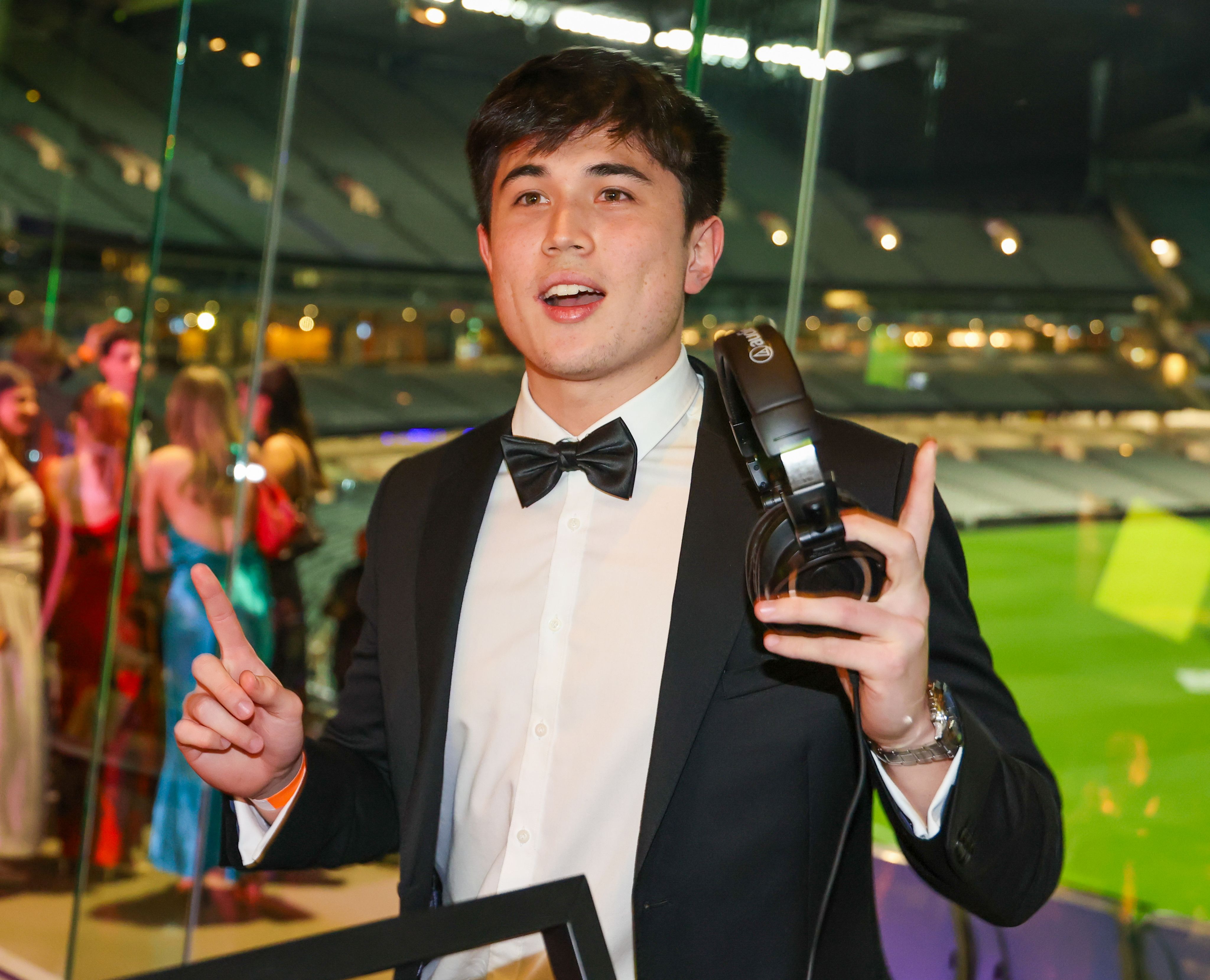
Spencer Gruen (TC 2024) shares a similar perspective. With roots in jazz drumming, the promising DJ who performs under the Grün moniker believes that his graded music training back home in Singapore is now helping him become a better music producer.
‘To be able to read music and play multiple instruments makes you a better musician,’ he says. ‘The real skill in DJ-ing is discovering your sound and the depth that a jazz or classical background provides helps to inform that.’
Fresh from being shortlisted as one of the top 10 rising artists in Australia by the JBL Music Academy with Martin Garrix, Grün says his time at Trinity so far has offered ‘countless opportunities’ to get behind the drumkit or decks and collaborate.
At the opposite end of the Bulpadock at Trinity’s Pathways School, singer-songwriter Collin Leonardo (TCFS 2022) believes that the release of his debut EP, Loverse, in 2022 would not have been possible were it not for attending Trinity. ‘Being here gave me the confidence to finally record and produce,’ he says. ‘I marketed it to all my Trinity friends, who got behind it to support me.’

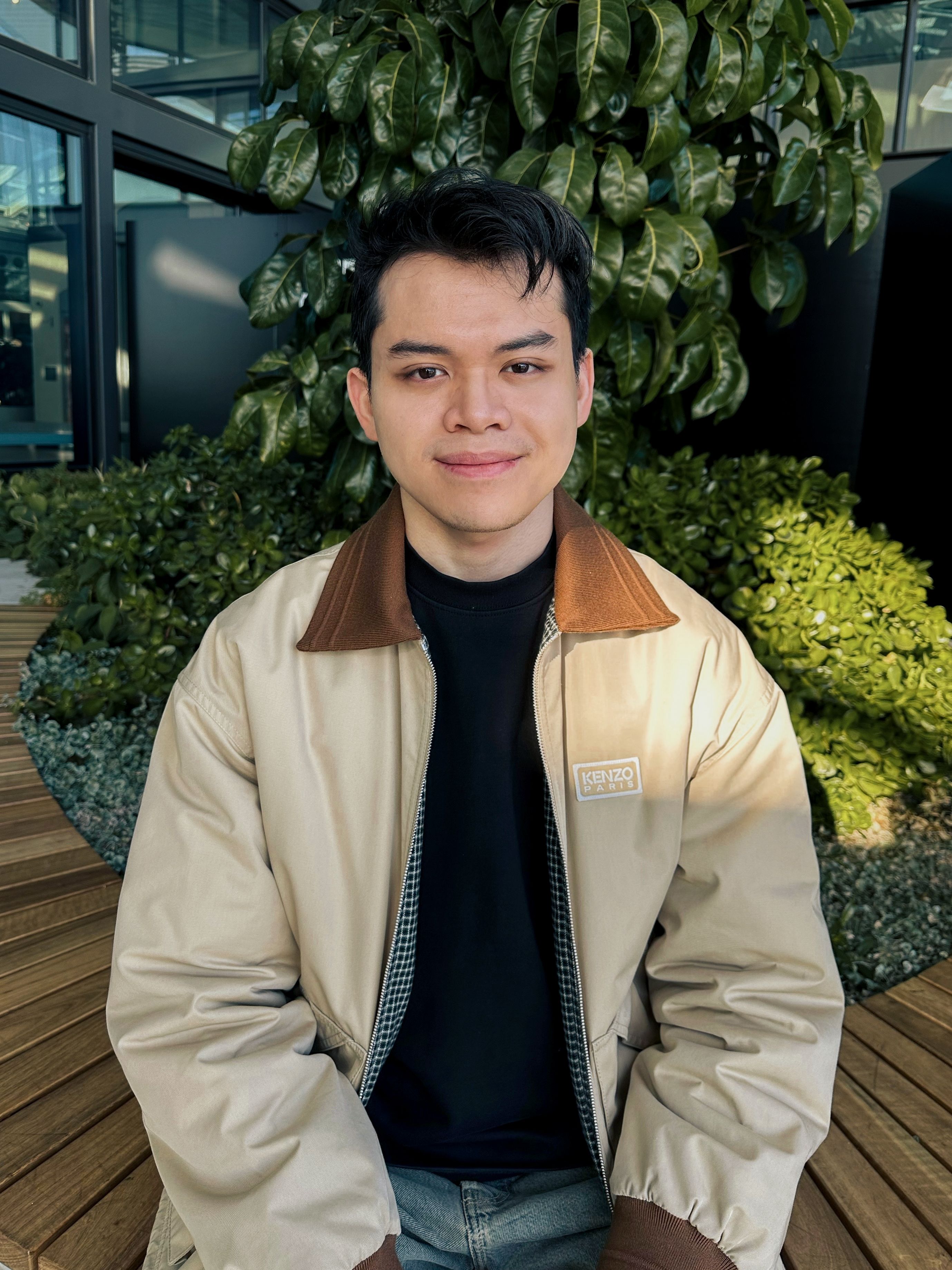
'Being [at Trinity] finally gave me the confidence to record and produce.'

While Rona’s musical endeavours at Trinity were bookmarked by experiences such as falling in love with underground club culture at iconic haunts like Mercat and becoming ‘obsessed’ with synthesisers, she pressed pause on a potential music career after graduating from university, opting instead to amplify First Nations cultural voices through her work as CEO and director of Common Ground and by championing wealth redistribution to Indigenous communities as director of First Nations Futures.
The influence of this work and her Kaytetye heritage is evident in her music today – scorching sundown anthems driven by empowering storytelling.
Though house music’s minimal word use could render the genre an unsuitable vehicle for social change, she argues there’s no better place to promote social change than on the dance floor.
‘As a medium of communication, dance music is so powerful because you can explore so many different forms,’ Rona says. ‘It allows me to be quite subversive in how I deliver a message.’
Musicians have long been storytellers but, today, more than ever, they are torchbearers for social justice. Acts such as Kneecap, who played to a packed-out Federation Square in 2025, have faced intense scrutiny for their political views, which are lauded by fans but often condemned by politicians. Given social media’s always-on nature and the intense scrutiny that this brings, it can be challenging for artists to balance morality and marketability.
'It seems that aspiring musicians are constantly balancing authenticity and marketability.'
‘Everyone loves listening to Bob Marley, but let’s remember that his songs are protest songs,’ says Rona. ‘What has changed, however, is the pressure such torchbearing has on acts brave enough to speak out.
‘It’s harder to be an advocate in music today. You’ve seen how some acts have been silenced. The way social media works means that you can’t rock up to Glastonbury or Coachella and have a yarn. There’s just so much policing around freedom of speech that some artists figure that it’s easier to stay quiet.’
Spencer and Collin believe these ‘industry gatekeepers’ are making it increasingly difficult for musicians to be simply musicians.

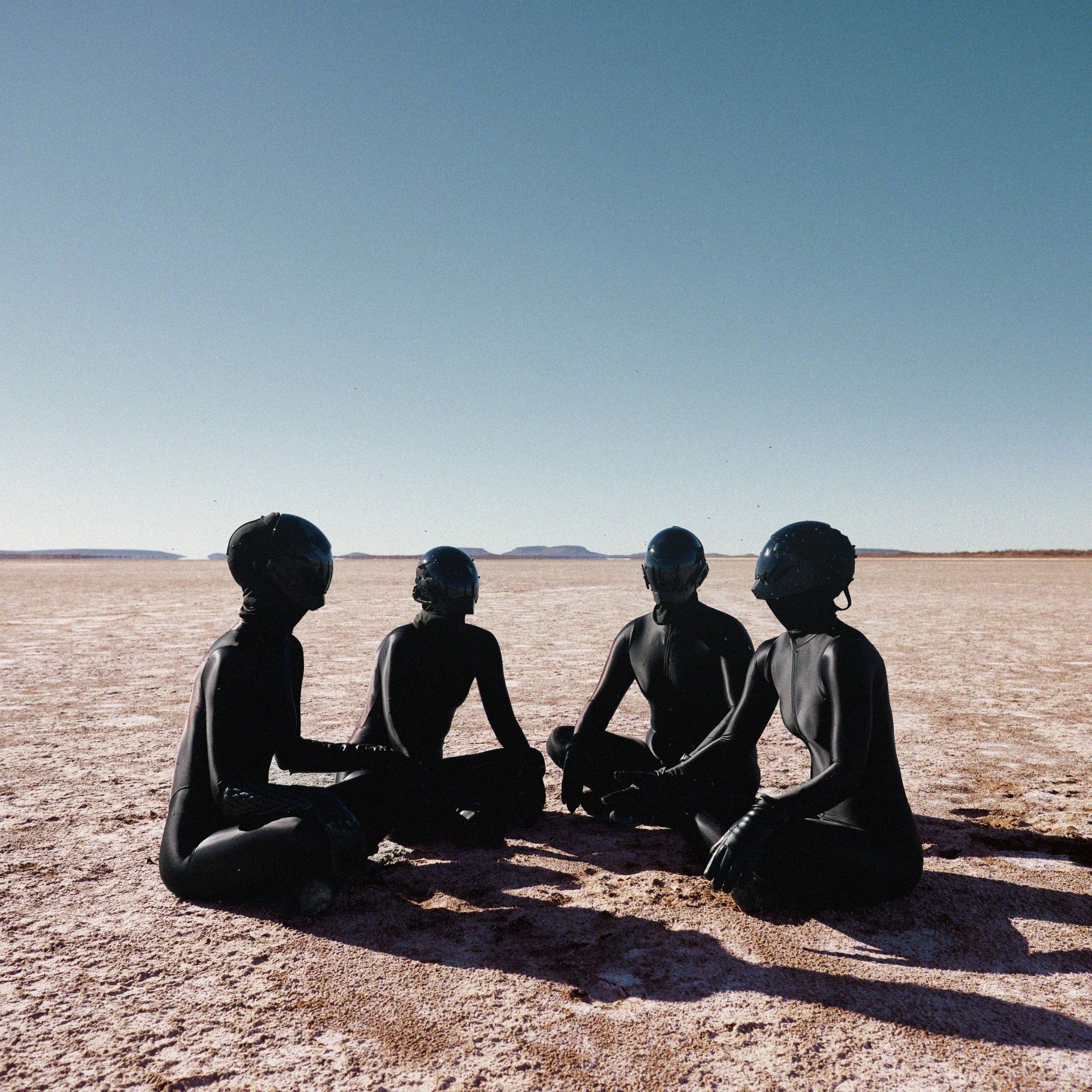
Rona's latest EP, It's All Here.
Rona's latest EP, It's All Here.
I’d argue that today’s young artists carry so much more weight on their shoulders than musicians in the past,’ Collin says. ‘In the past, you wrote and performed and then, if you were talented enough, got a record deal. But because of how streamlined the music industry is today, musicians must produce [their music], manage, market and devise social media content that will hopefully go viral.
‘Artists are now faced with the need to learn these skills to grow their fanbase. So much multitasking can be a challenge.’
‘He’s spot on,’ agrees Spencer. ‘It’s more than just being a hard-working musician right now. The level of industry gatekeeping can be pretty wild. Most [musicians] need that hook or viral moment to kick-start their career. It seems that aspiring musicians are constantly balancing authenticity and marketability, and I’m not sure if that is sustainable.’
While Spencer and Collin have dreams of transforming their talent into full-time careers, both have a back-up plan where they’ll balance a steady nine-to-five job with their creative endeavours.
‘The hustle side of music is drawing me in right now,’ says Collin. ‘Just playing with my friends for fun. Looking forward, I see myself working for an agency that helps to promote artists. That would allow me to write, play and dance for enjoyment.’
This balancing act isn’t for everyone. Indeed, there aren’t many career paths where it is the norm to work multiple roles just to sustain the job that you’re most passionate about.
Rona, however, believes a new movement is under way where artists can earn a meaningful income. ‘It’s such a challenge unless you’re prepared to work different roles, have the backbone of privilege and wealth – or be extremely lucky,’ she says. ‘But I believe the next music movement will be about building communities that exist in proximity.
‘Having a hundred genuine fans who regularly turn up to gigs – not thousands who might catch you in passing at a festival – that’s how we, as artists, will secure our future.’
READ NEXT STORY >>> TRINITY MUSICALS: WHERE ARE THEY NOW?
<<< BACK TO EMERGING VOICES
 Built with Shorthand