
Emerging voices
We talk to current and past
recipients of the Nakata Brophy
Short Fiction and Poetry Prize for
Young Indigenous Writers.


Storytelling has been at the heart of Indigenous culture for millennia. It sustains communities, validates experiences and enables cultural continuation.
Created to nurture new literary talent, the Nakata Brophy Short Fiction and Poetry Prize for Young Indigenous Writers has celebrated emerging Indigenous voices across Australia since 2014. The prize offers the winner money, an optional writing residency and the publication of their work in Overland.
The first award of its kind in Victoria, it underscores our commitment to Indigenous education and reconciliation. Here, two past winners and the current recipient assess the initiative’s influence.
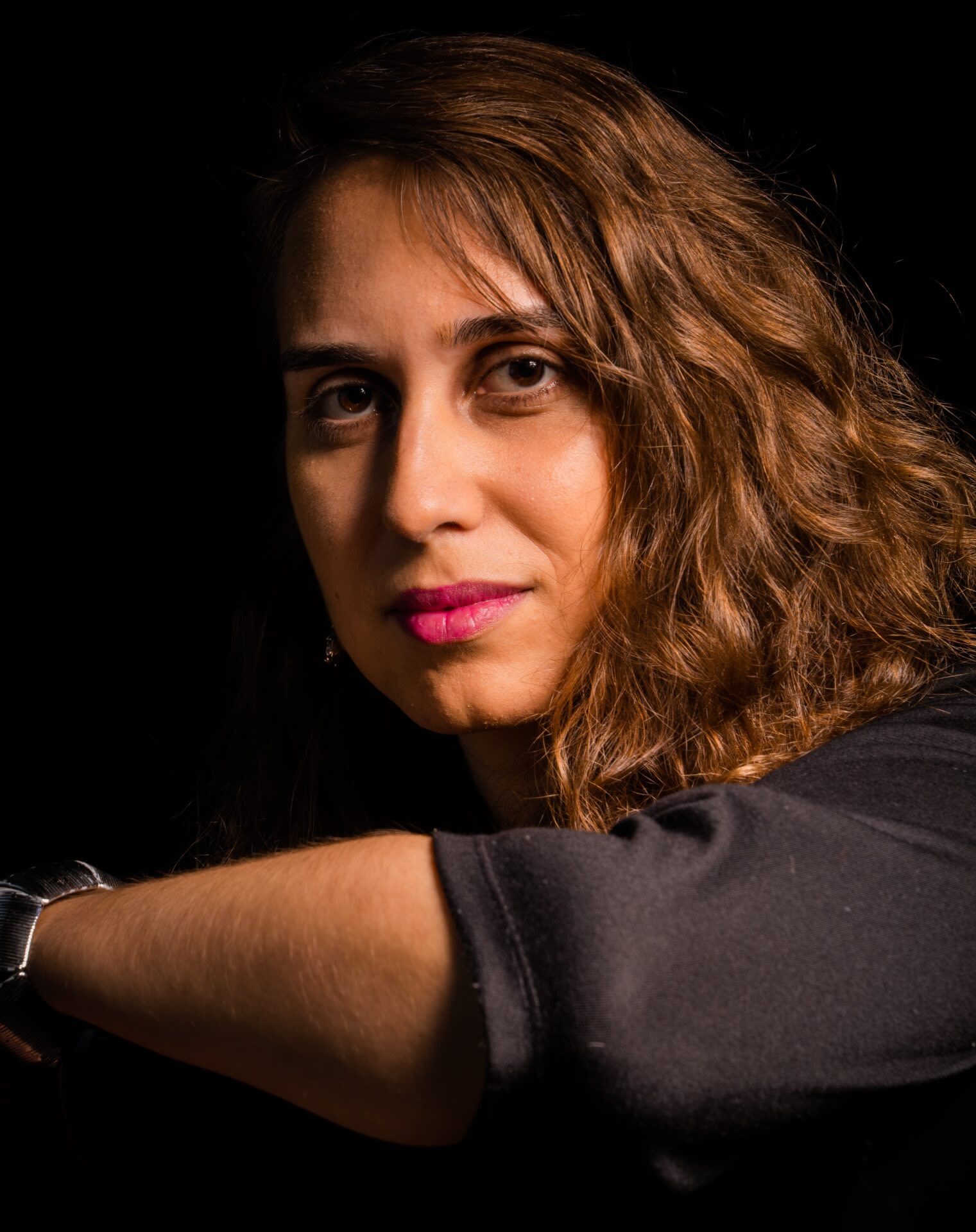
Allanah Hunt, 2019 winner
You have been busy...
For sure. I completed my PhD at Anglia Ruskin University in Cambridge in 2021. There, I wrote a fan fiction novel in the Marvel Cinematic Universe, which utilised Indigenous futurism to explore affective learning, ownership of women’s bodies and Blak feminism.
Today, I work at the University of Queensland as a lecturer and researcher, specialising in Aboriginal Studies. I also work as a freelance editor, proofreader and cultural sensitivity reader.
Why did you apply for the prize?
Honestly, I admired the previous winners so much. It was a wonderful opportunity to get published in Overland and connect with staff at Trinity. I also thought that it would give me opportunities to write stories of personal importance inspired by my Barkindji heritage. The win was a special one for me as my winning story was written for my Dad and inspired by events from his childhood.
What did receiving the Nakata Brophy Prize mean for you?
It helped me realise that I could achieve something special through my writing outside of academia. I always wanted to be a creative writer as it filled me with such joy, but I didn’t know if I could succeed. The win boosted my confidence and pushed me to work even harder. The experience also inspired me to be open about my Barkindji culture in my writing and explore my Blak identity.
What’s next?
My first novel is due in 2026. It is a young adult fiction novel titled Forever and Ever. I’ve also been writing short stories that discuss issues close to my heart, such as endometriosis. I’m also keen to write a piece on my great-great-great grandfather, Hero Black, who was part of a group of Indigenous men who were more-or-less kidnapped and forced to participate in the 1938 sesquicentenary in Sydney.

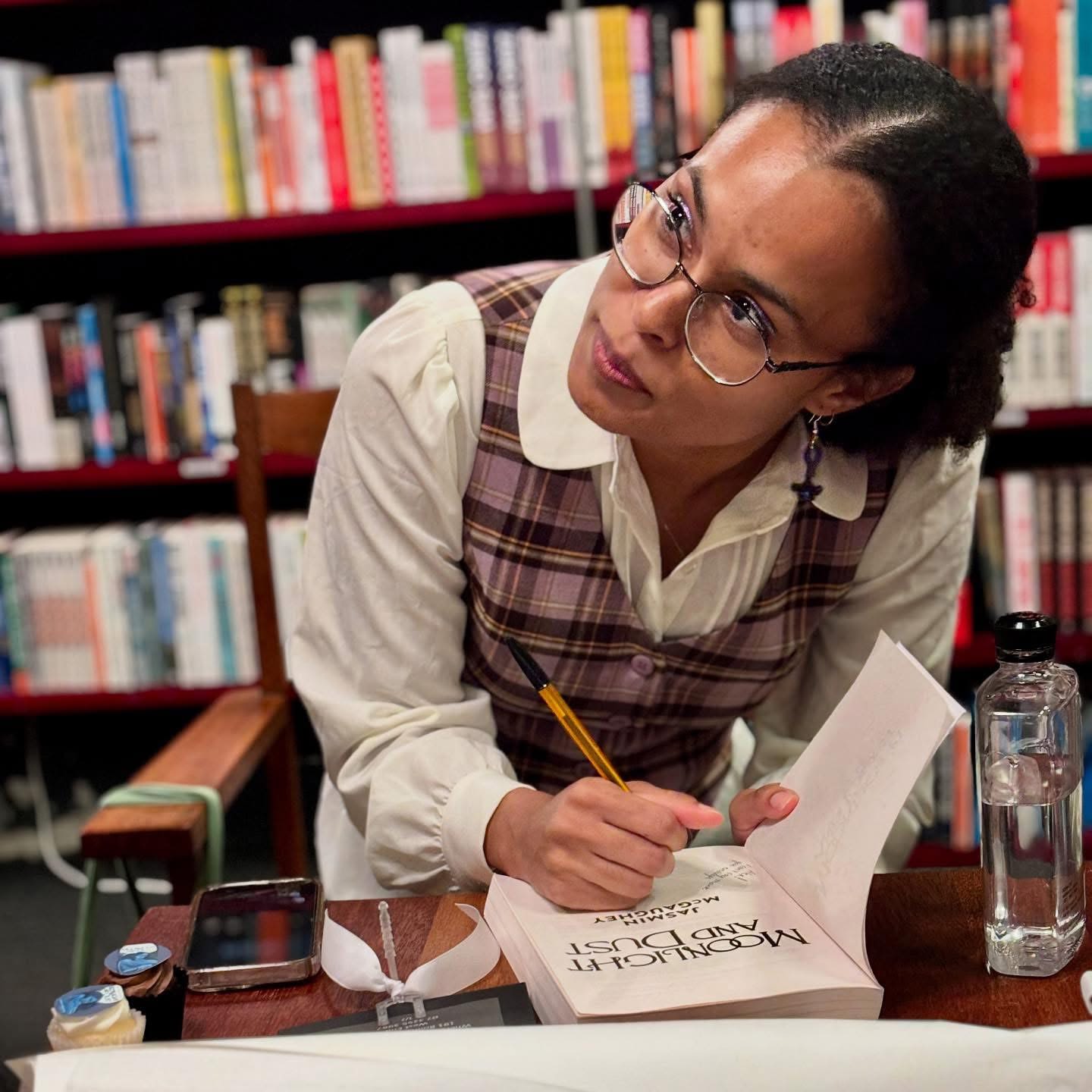
Jasmin McGaughey, 2022 winner
You have been busy...
I’ve felt busy, but with things I am grateful for. My young adult fiction debut, Moonlight and Dust, was released with Allen & Unwin in July. It has been such a rollercoaster seeing it out in the world; the story no longer belongs just to me.
Why did you apply for the prize?
The great legacy of the prize is evident in the list of past recipients. The two winners before me, Allanah Hunt and Grace Lucas-Pennington, were friends and colleagues. It can be difficult to give yourself the space and permission to prioritise writing, so an award that not only came with financial assistance, but the chance of a residency was eye-catching.
How do prizes such as the Nakata Brophy support emerging Indigenous creatives?
While the number of Aboriginal and Torres Strait Islander writers is growing, there is a lack of access to those who don’t live close to major cities. This makes it difficult to take the financial risk of starting a creative career. The prize plays a vital role in assisting writers to prioritise the artform as it’s difficult to do so alone.
What’s next?
I’m always reading and writing, whether I’m getting published or not. In saying that, I do hope to publish a novel again – for young adults or for adults, I’m not sure.

'Our language and culture vary across the land and, naturally, as does the context. It is important that we are all aware of this.'
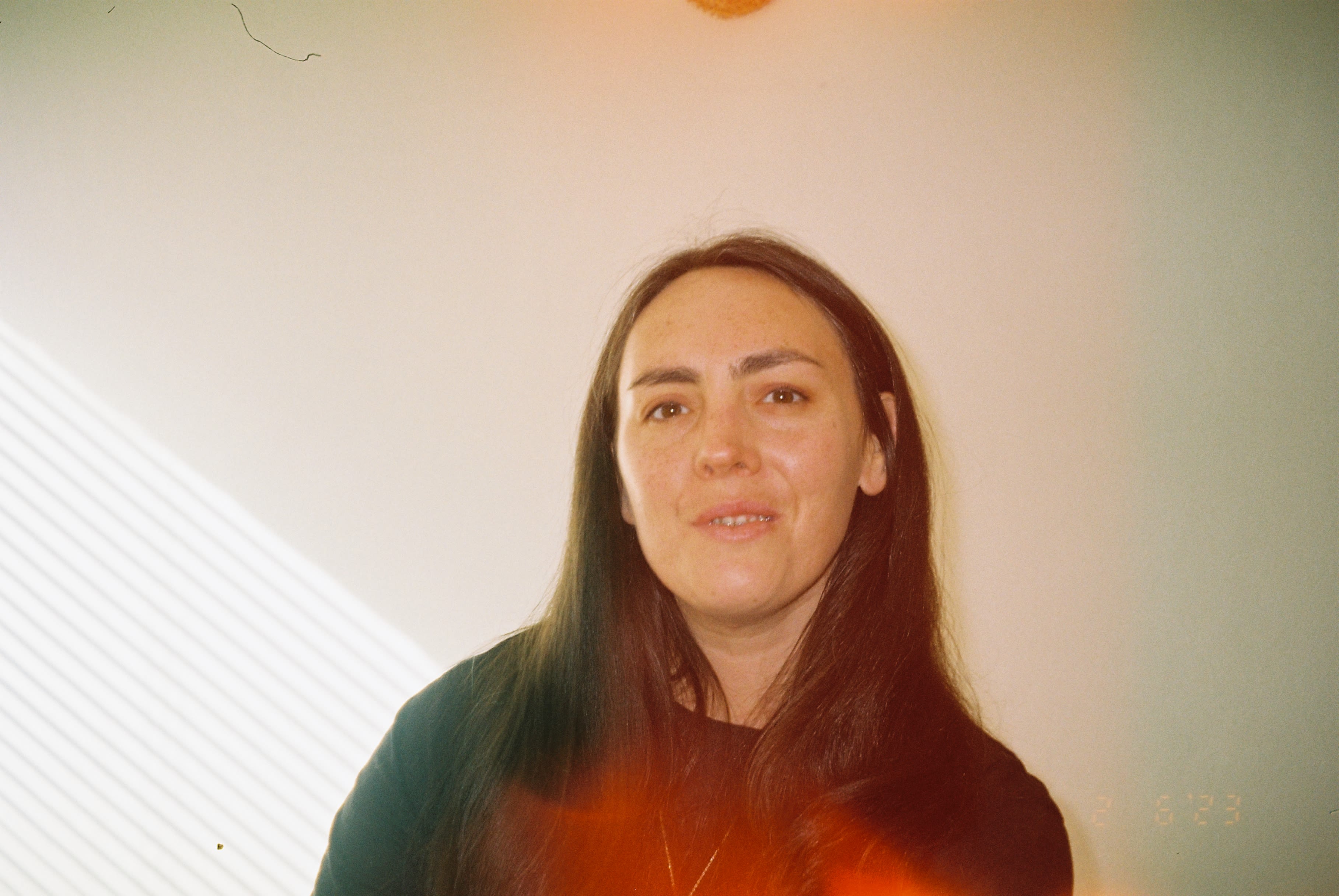
Susie Anderson, 2025 Nakata Brophy winner
Introducing our 2025 recipient, Susie Anderson
Susie Anderson is the 2025 winner of the Nakata Brophy Prize. Drawing from art, memory, place, time and her Wergaia and Wemba Wemba heritage, Susie’s poetry and prose uncover hidden meaning within landscape to repair cultural connections to place. Her winning work The Claimant is taken from an extract of her novel-in-progress, which was written while on a writer's residency in Rome.
What is The Claimant about?
It centres around three entities in a small town in western Victoria, the area where I grew up. I wanted to give voice to these lesser-known narratives of place. We have an elder Aunty, a non-Aboriginal man in his mid-30s and a tree. As the title suggests, it is about an individual who has a claim to the land and the tensions that exist between those three beings.

What does the next year hold?
Because I am a little older than past recipients, I would love to use this opportunity to be a mentor or role model for young writers. I was shortlisted for the Nakata Brophy back in 2017. I was living in Sydney, and I came down to Trinity for this amazing dinner; it was such an enjoyable experience. I was early in my writing journey, and this was one of the first poems that I had been commended for. That is when I started to think, ‘Oh, people are taking me seriously’.
Now that I've come full circle and have won the prize, I see that the Nakata Brophy and Trinity have a significant place in my writing journey.
Why are prizes such as the Nakata Brophy so important for Indigenous writers?
The platform that prizes like this offer is so important. To have your work read alongside other Indigenous writers is a fantastic opportunity. Our language and culture vary across the land and, naturally, as does the context. It is important that we are all aware of this.
Particularly with the Nakata Brophy, there is an overarching sensitivity that the judges ‘get’ – whether we are writing about Indigenous matters or something unrelated. It is also important that young writers are offered a platform to find their voice, and this prize certainly provides that.
READ NEXT STORY >>> FACING THE MUSIC
<<< BACK TO PEAK PRESSURE
 Built with Shorthand