The moving finger writes; and, having writ, moves on
After a decade as Warden of Trinity College, Ken Hinchcliff comments on his time in the role.
Trinity Today 2025 | By Ken Hinchcliff

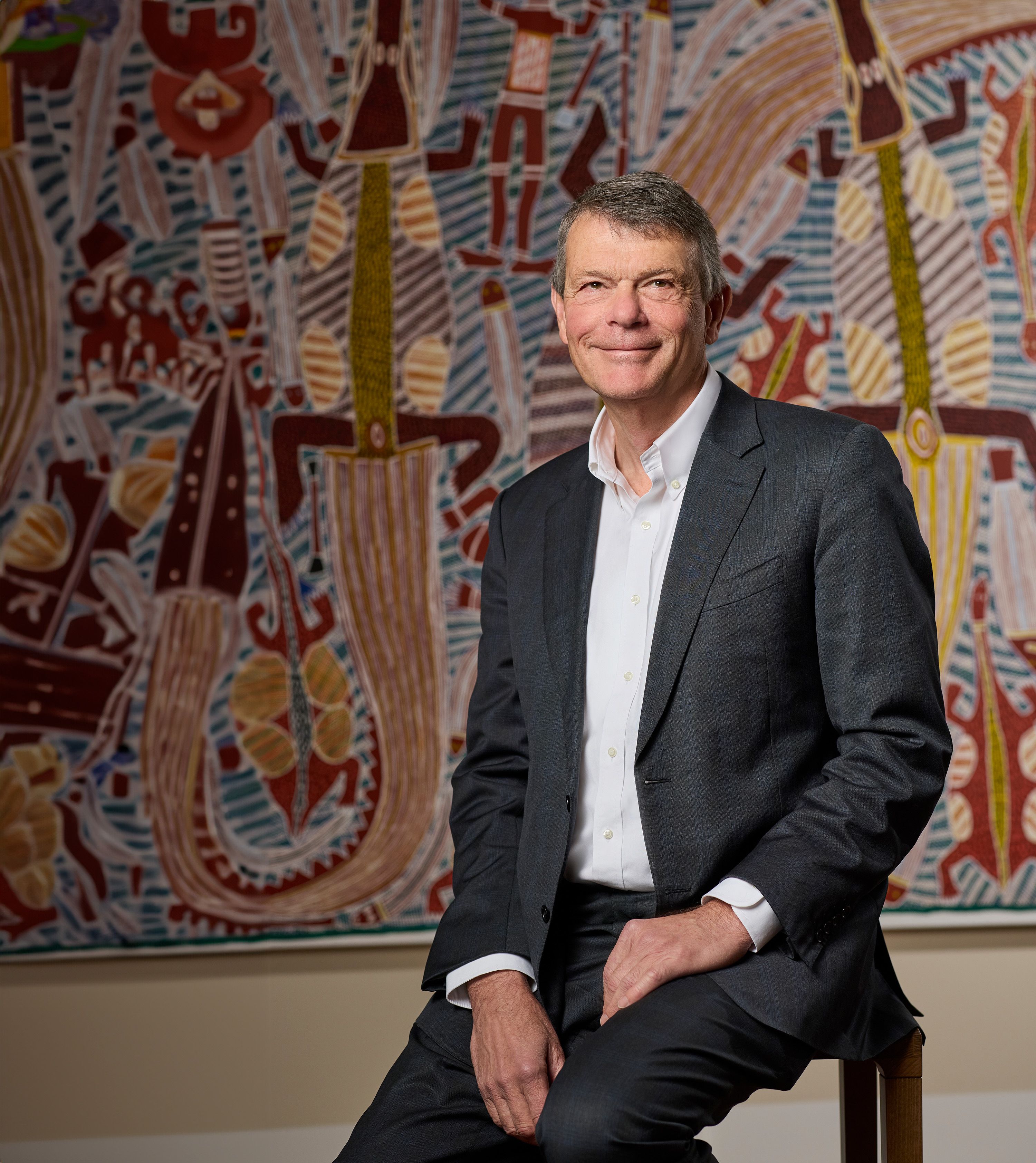
A decade ago, I returned to Trinity with a deep appreciation of its rich history and enduring identity, and with a vision for its future. I came with a view that the Warden was the custodian of this wonderful institution, an immense privilege, but for only a brief period in the long arc of the College’s history.
My wardenship was a fleeting moment in the century and a half of Trinity’s story, although, like all moments, its effect is enduring.
The choices we made over the last decade have shaped the trajectory of the College. Every decision was made with the future of Trinity firmly in mind, building on the foundations laid by my predecessors. In the words of 11th century Persian poet Omar Khayyam, ‘The moving finger writes; and, having writ, moves on’ – what happened, happened, and the ramifications of our actions ripple through our future.
So, what has been achieved at Trinity in the past decade that will determine the future of the College? The timeline on this page lays out the sequence of events, decisions and actions that I believe are among the most influential. While the timeline captures milestones, it cannot fully convey the context in which they arose, nor the reasoning and circumstances that shaped them. It does not reveal why these decisions were made and why particular events occurred.
'Every decision was made with the future of Trinity firmly in mind, building on the foundations laid by my predecessors.'

The College was shaped over the past decade by two strategic plans, a buoyant international education business, exceptional demand for Residential College places, sound governance by a skilled and engaged board, and oversight by a highly effective Senior Management Team. Throughout this period, the College stayed true to its Anglican roots and purpose, and never lost sight of the vision to be, in the words of former chair of the Trinity College Board Bill Cowan (TC 1963), ‘world class’.
The first strategic plan delivered during my wardenship was developed with the assistance of Social Ventures Australia between 2016 and 2018. That plan focused on modernising the operations, management and governance of the College; expanding the size of each of the educational divisions; providing contemporary living and learning facilities for the Residential College and Pathways School; aligning our access and diversity imperatives with support in the form of merit-based, financial-need-determined scholarships; expanding the role of the Theological School as a research-based institution; and addressing our contribution to higher education of Aboriginal and Torres Strait Islander students.
After completing the Gateway building (2016), the College developed a Campus Development Framework to provide a context for future infrastructure decisions. This led to the commitment to a two campus model, the commissioning of a 9000-square-metre campus at 611 Elizabeth Street, and the sale of teaching facilities at Royal Parade.
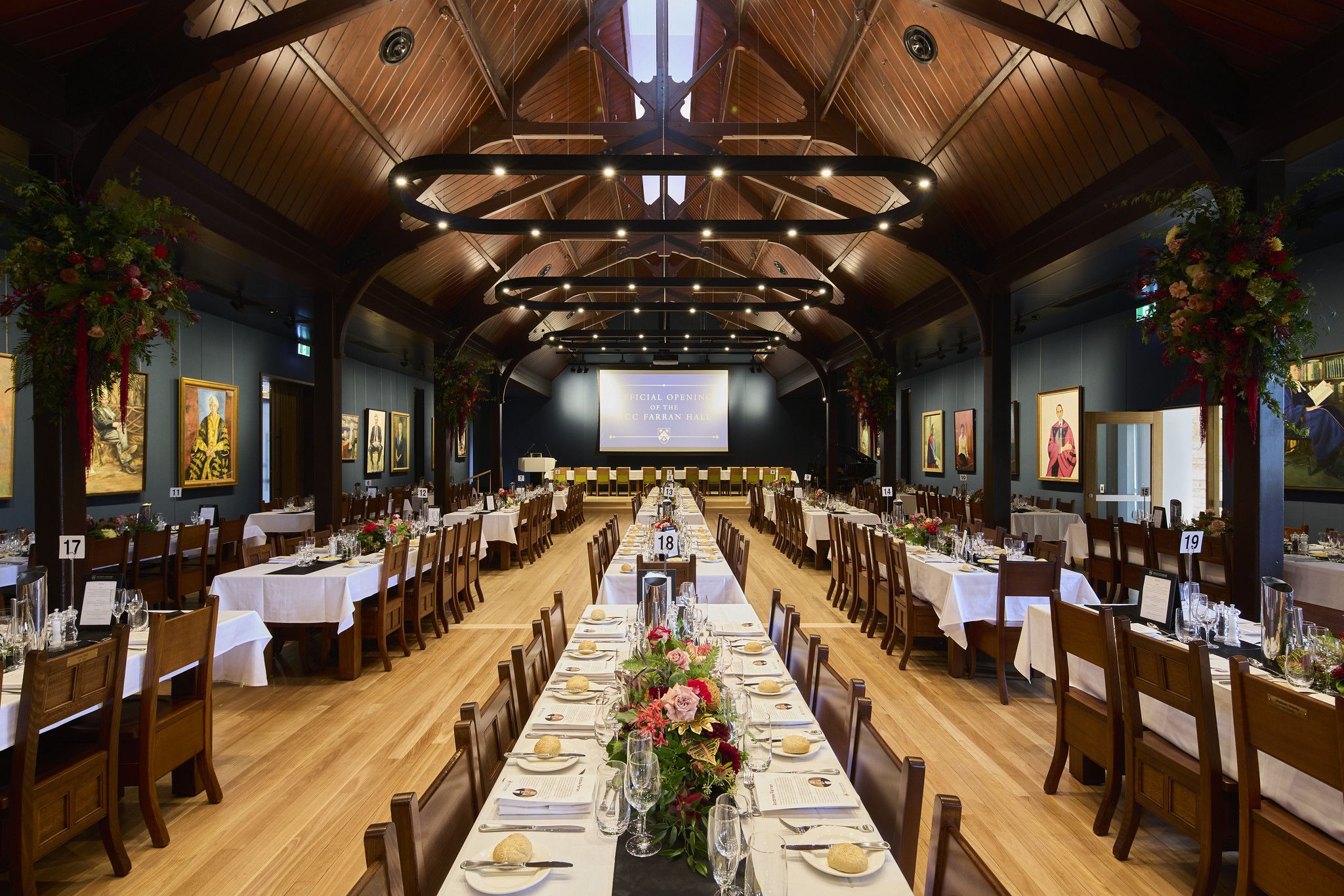
Important in the framework was the expansion of the Residential College through opening of the Dorothy building, featuring 100 residential rooms, a new Junior Common Room, Residential College administration offices and a six-year (interrupted by the pandemic) renovation of the Dining Hall and Kitchens Precinct as the stunning A C C Farran Hall and café with subterranean kitchens. The public face of the College was enhanced by opening up the Vatican Lawn grounds and Kitchens façade to Scholars Walk and the University.
The pandemic years were profoundly influential. Suffice to say with the collapse in international education, restrictions on movement and activities, uncertainty about the lasting effects of the pandemic, and the imperative to secure the long-term wellbeing of Trinity, the College hunkered down. We relinquished the Elizabeth Street property, which had yet to be commissioned, moved all teaching online, mothballed or closed other teaching facilities, quarantined the Residential College and, sadly, reduced staffing across all divisions by more than half. It was a challenging time, as it was for everyone, and it was not until 2024 that the former ‘normal’ almost fully returned.
'We now award over $2.6m in scholarships to more than 111 students in the Residential College each year.'
Emergence from the pandemic stimulated a second strategic plan – Trinity 2030. While the previous plan was dominated by bricks and mortar and business planning, this latest iteration has five pillars that address different aspects of College life: modern College, enduring College, student-centred College, staff-focused College, and outward-looking College. A key initiative is to document and formalise the role of the arts and creative culture in the life of our College, the richness and diversity of which is laid out in this issue of Trinity Today.
The plan further considers the future of Trinity as an educational institution beyond being a residential college of the University of Melbourne. The College is blessed by the foresight of those who established the Trinity College Foundation, and the 2030 plan includes allocation of funds to a Trinity Future Fund that will secure, by the early 2030s, the long-term financial wellbeing of the College.
Nothing is more important than the health and safety of our students and staff. The College has been proactive in programs to address gender-based violence, racism and antisocial behaviour in our community, which is not insulated from broader Australian society. We did so through accepting and acting on all the recommendations outlined in the Australian Human Rights Commission 2016 report and by commissioning independent reviews of the culture of the Residential College in 2019 (Neave Review) and 2025 (Residential College Culture Review, Ethell and Shehadie). We are the only college at the University of Melbourne to have done so, and we have acted on the recommendations in those reviews.

The College is currently undertaking sweeping reviews of its codes of conduct, developing responses to the Ethell and Shehadie review, and incorporating requirements of the National Accord on Gender-Based Violence in universities. The College has commissioned Yamagigu Consulting to advise us on policies related to antiracism and cultural safety, and an Indigenous strategy.
'It is the relationships within the Trinity community that make being a Trinitarian so special.'
Trinity has long supported programs that advance access to higher education for Aboriginal and Torres Strait Islander students, and expanding these programs was a key part of my vision for the College. Regularly attending the Garma Festival of Traditional Cultures over the past 10 years has given me the insight and drive to improve education outcomes for Indigenous students.
The College convened and hosted two Indigenous Higher Education Conferences (2016 and 2018) and a conference on Indigenous Australian art (2018), employed its first Indigenous support officer, actively recruited Indigenous Residential Advisors, and set its aspiration to have 10 per cent of the Residential College membership being Aboriginal or Torres Strait Islander.
The College is active in Indigenous art and creative culture, as is detailed elsewhere in this issue of Trinity Today, and is proud to host exhibitions of visiting art and expand its own collection of Yolŋu art.
The College has a commitment to enabling access to its programs by students from diverse and underprivileged backgrounds. Scholarships are critical in enabling these students to become members of the Residential College or study in the Theological School or Foundation Studies programs. We now award over $2.6m in scholarships to more than 111 students in the Residential College each year. These scholarships are all financial needs based and designed to provide access to the College by students who would not otherwise have been able to do so.
Building on the College’s exceptional collection of art from North East Arnhem Land, we partnered with the Melbourne Indigenous Transition School to host an exhibition Barring-bul of Indigenous art (2018), in 2019 hosted Revealed, the Castan Collection of North East Arnhem bark paintings collected in the 1960s and, in 2025, Our Way an exhibition of contemporary Australian Indigenous art from the University of Melbourne, Trinity College and private collections. The College endorsed the Uluru Statement from the Heart in 2018, and in 2023 was the first university college in Australia to publicly support the campaign for a Voice to Parliament.
The College also awards the annual Nakata Brophy Short Fiction and Poetry Prize for Young Indigenous Writers.
It has been the high point of my professional life to have had the opportunity to steward the College for the past decade, an opportunity that as a veterinary student in the College from 1976-78 I could not have imagined. I could not have done so without the support of Carole (TC 1978) and a remarkable Senior Management Team, which is simply the best I have ever worked with. While I will miss the day-to-day interactions with my colleagues and our students, I am still very much a proud alum and will continue to see you at Trinity events into the future. It is the relationships within the Trinity community that make being a Trinitarian so special.
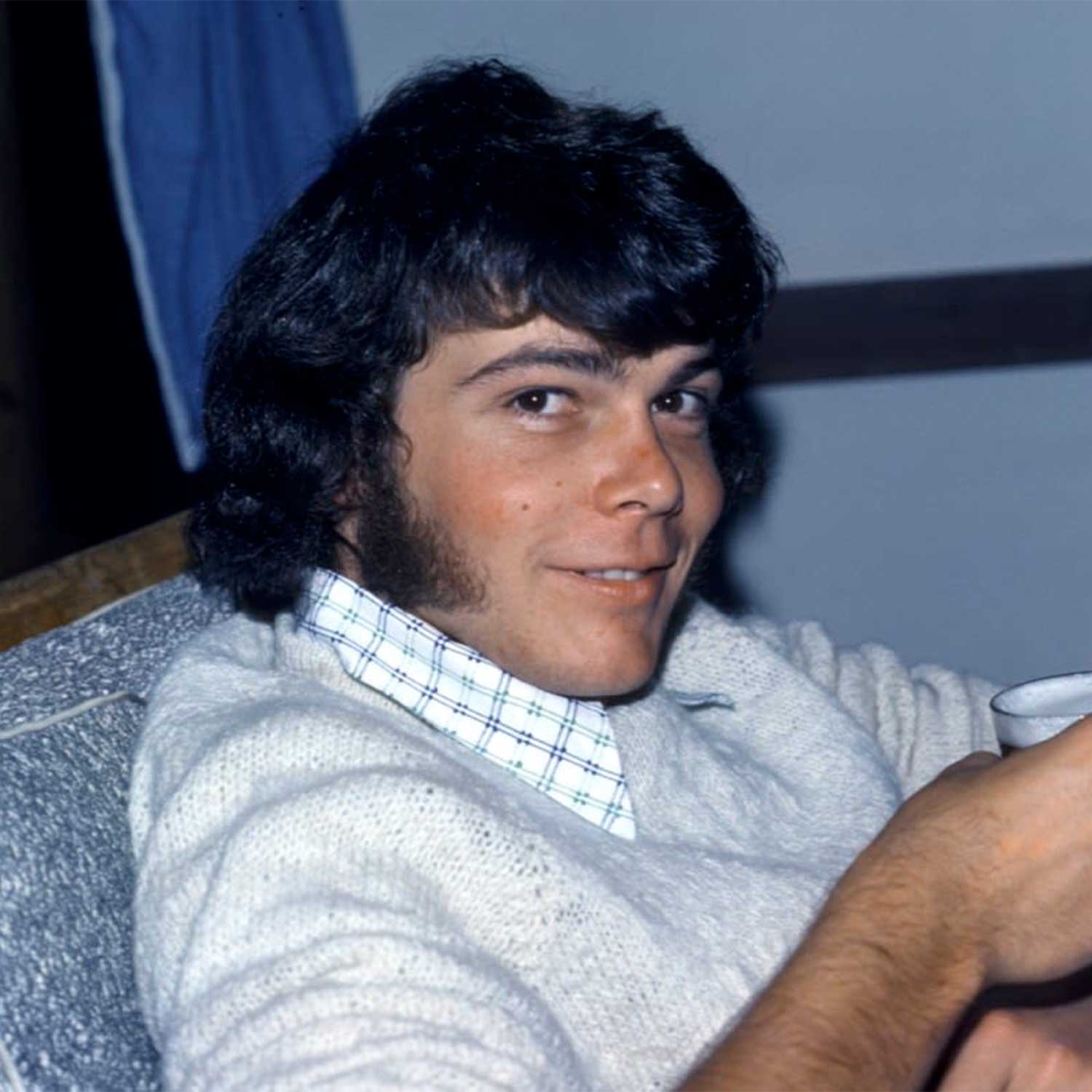
Ken attends Trinity College as a residential student where he meets future wife Carole (TC 1978).

Ken is appointed to Trinity College Council (2008-2015).
Ken and Carole’s daughter, Alexandra, joins Trinity as a Residential College student.
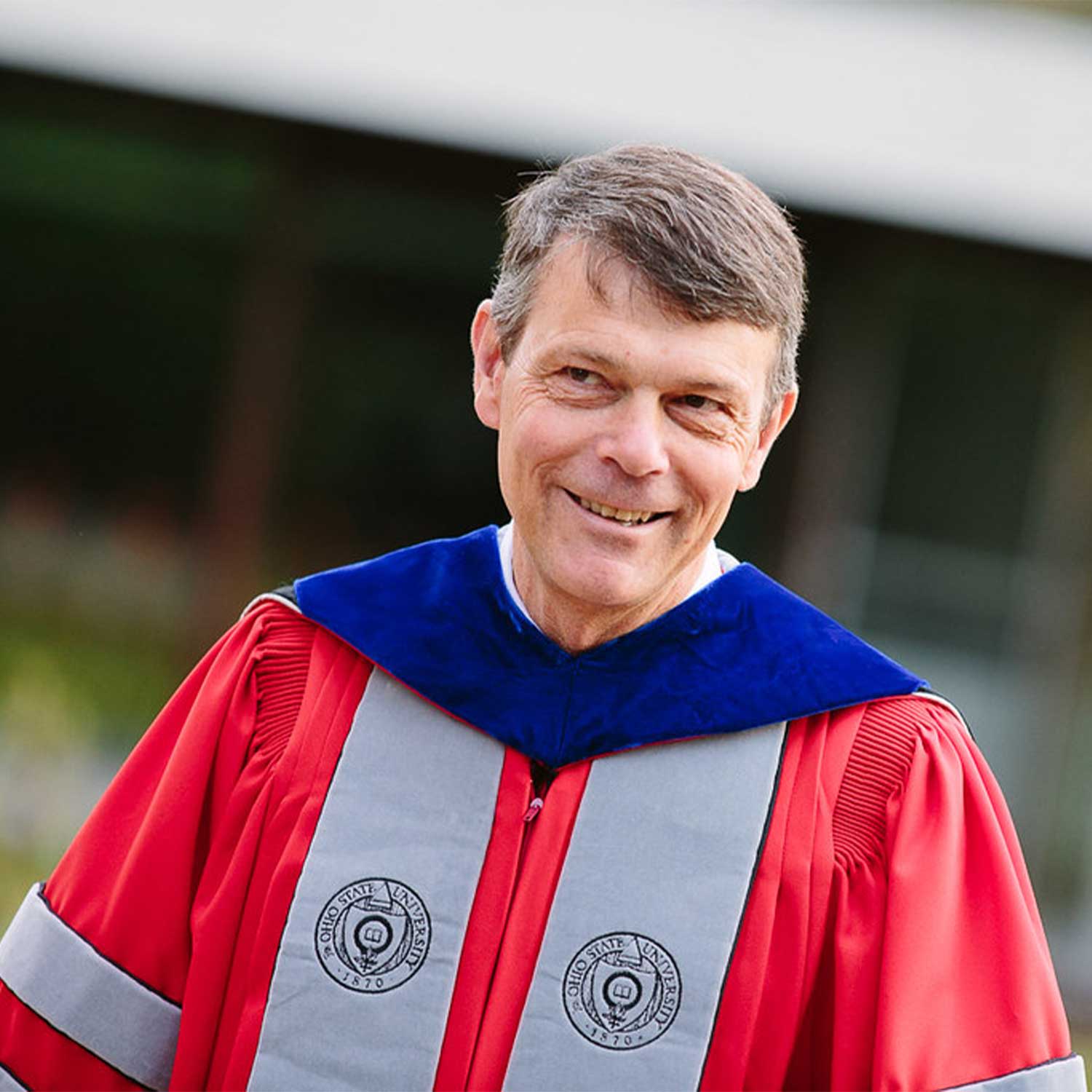
Ken returns to Trinity as the eighth College Warden after serving as Dean of the Faculty of Veterinary and Agricultural Sciences at the University of Melbourne. This followed an extensive period at the University of Wisconsin-Madison and Ohio State University.
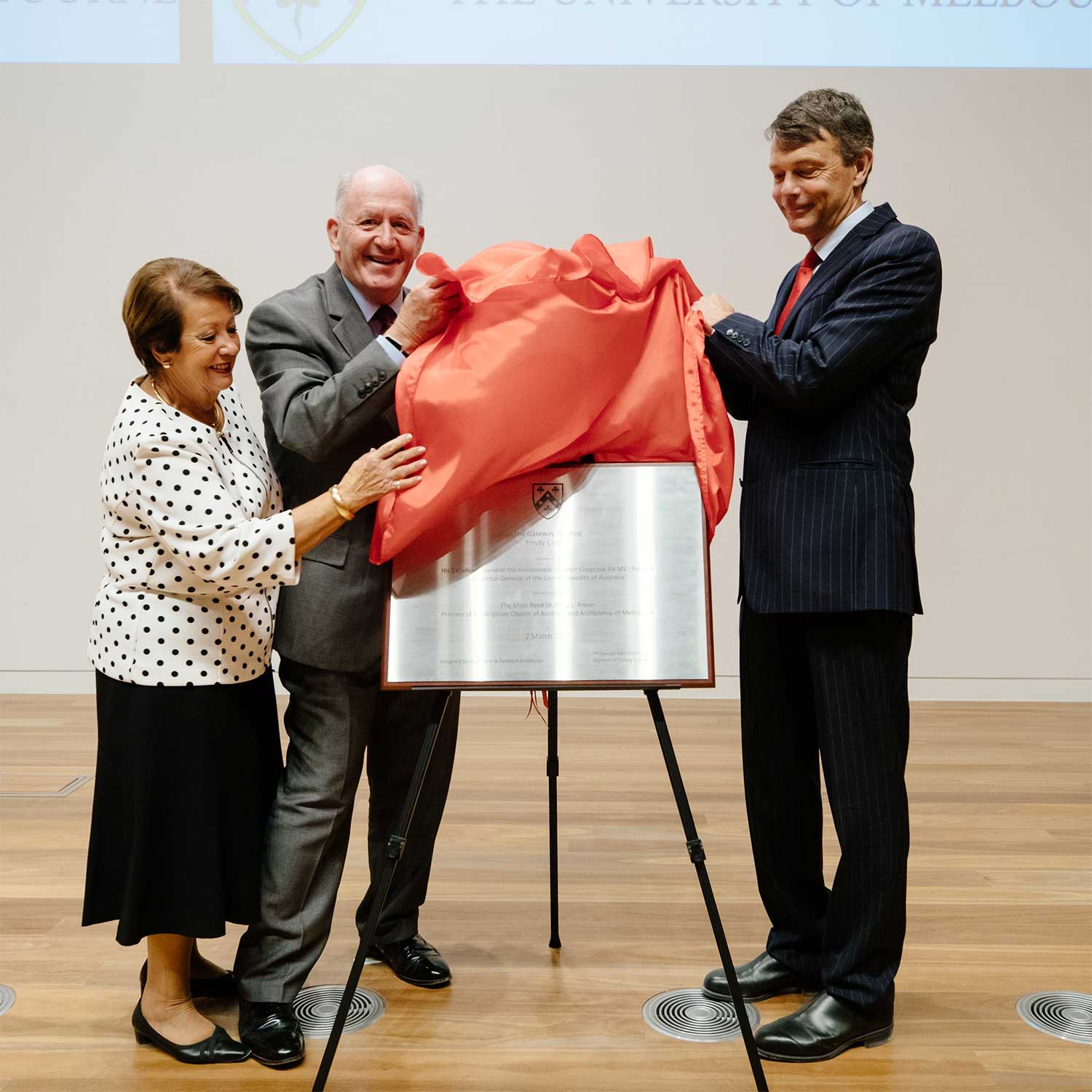
Opening of the Gateway building, home to state-of-the art teaching and learning spaces primarily used by Foundation Studies students. It also contains the Professor Sir Joseph Burke Gallery – Trinity’s permanent gallery space – and the Craig Auditorium, a 250-seat lecture space.
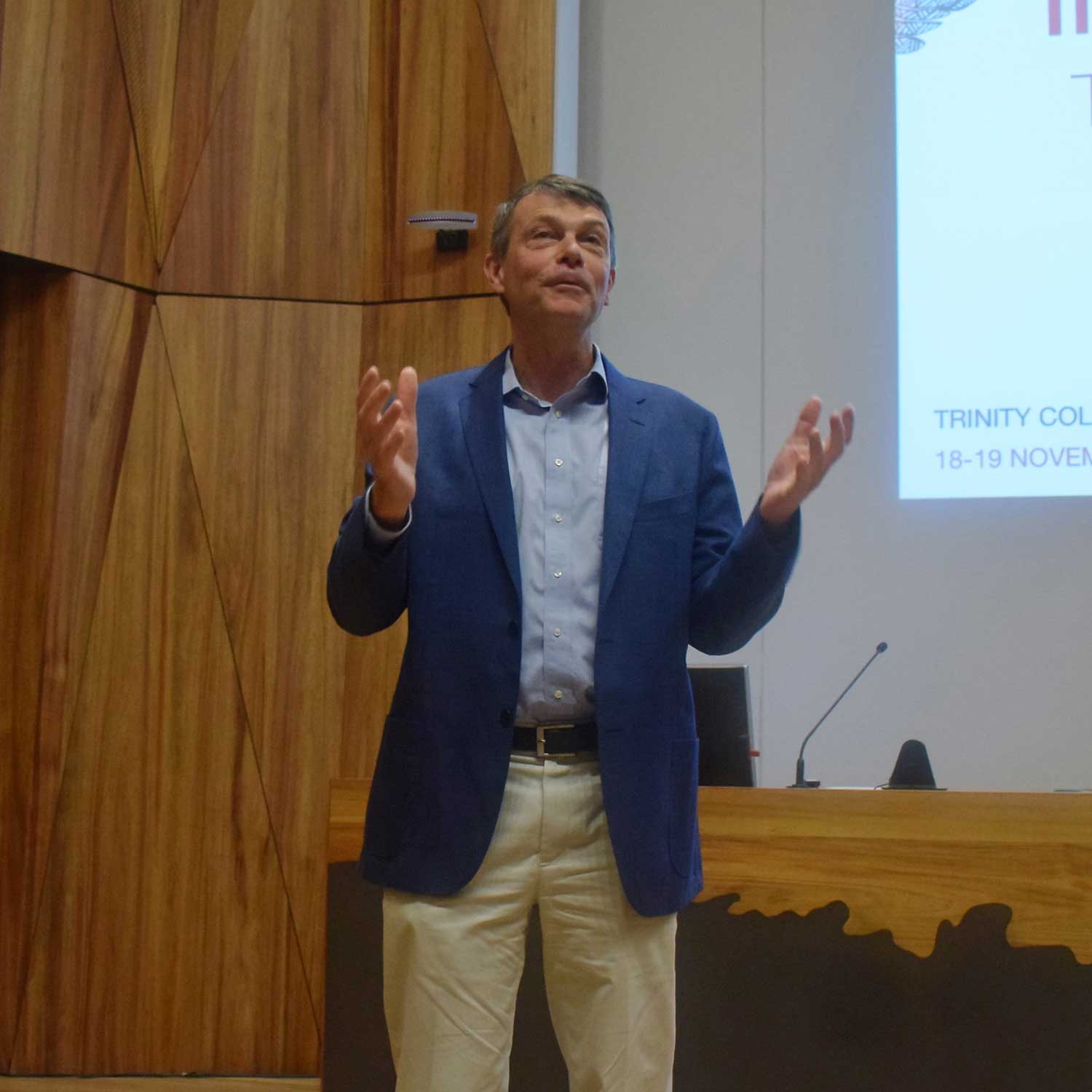
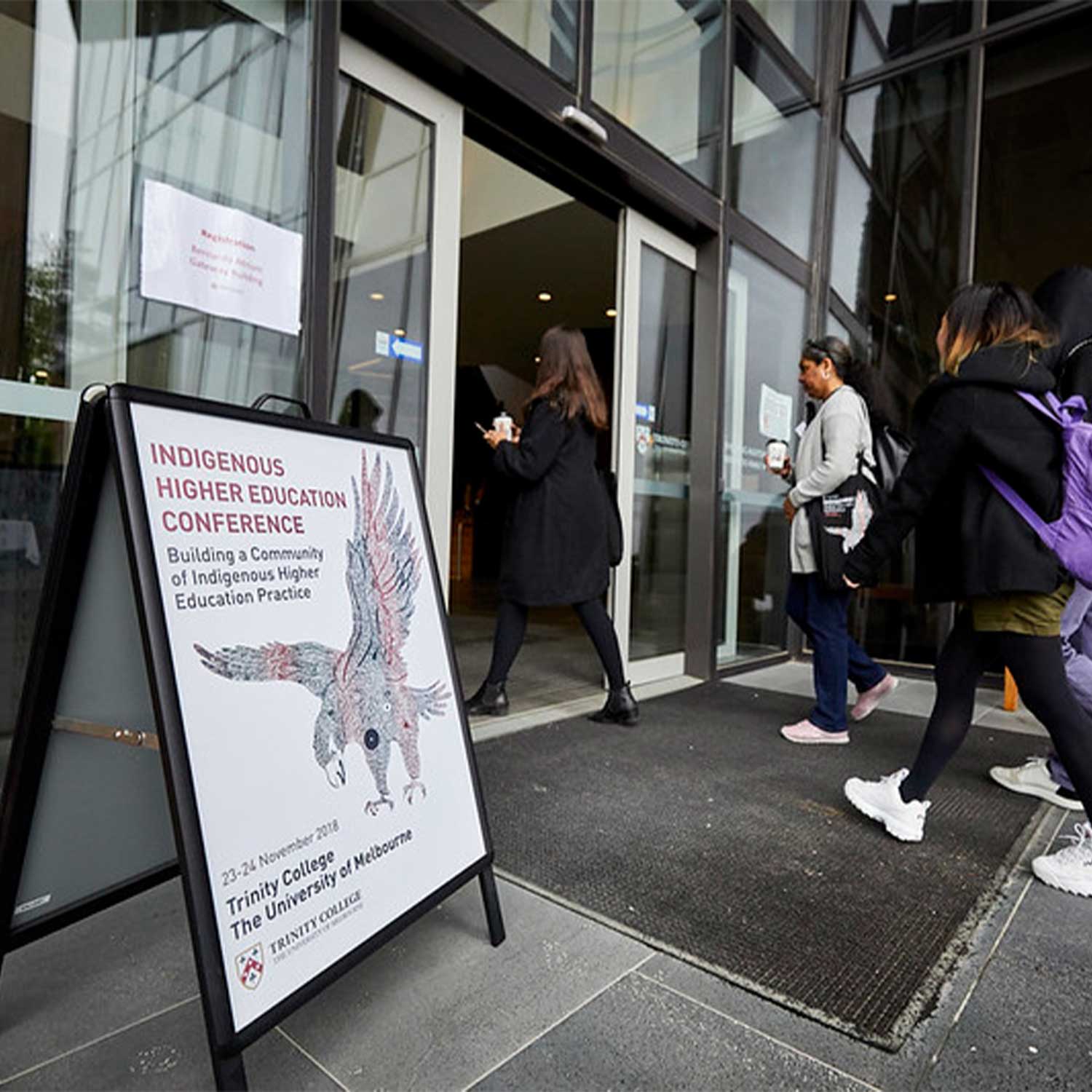
Convened by Trinity in collaboration with the University of Melbourne, the first Indigenous Higher Education Conference provides a forum for educators, researchers, policymakers, students and the community to share information and knowledge on how best to support and improve outcomes for Indigenous students in tertiary education.
The strategic plan Unlocking Exceptional Promise is released, focusing on growth and scale, investing in and reconstructing Trinity’s technology infrastructure, providing more scholarships and embracing reconciliation. Trinity now provides the most generous college scholarship program in Australia.
Charles Sitch (TC 1978) is appointed Chair of the Trinity College Board.
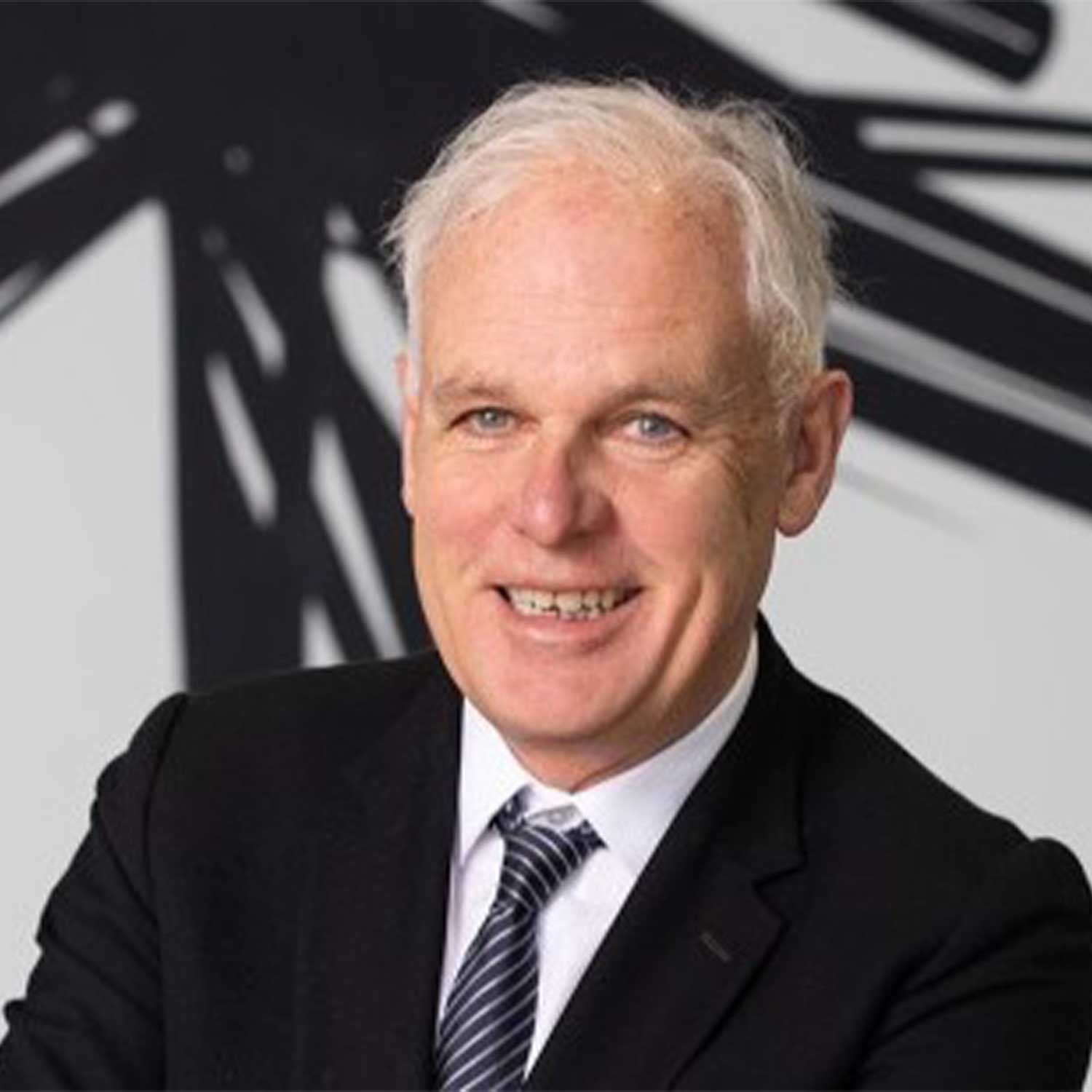
New deans are appointed to each of the three education divisions of the College. They took office in 2019.
A second Indigenous Higher Education Conference is convened.
Ken commissions and champions the Neave Review – the first review of Trinity’s Residential College culture. Led by Professor Marcia Neave AO, it is undertaken following a recommendation by the Australian Human Rights Commission for colleges to commission an expert-led review of the factors that contribute to sexual assault and harassment on campus.
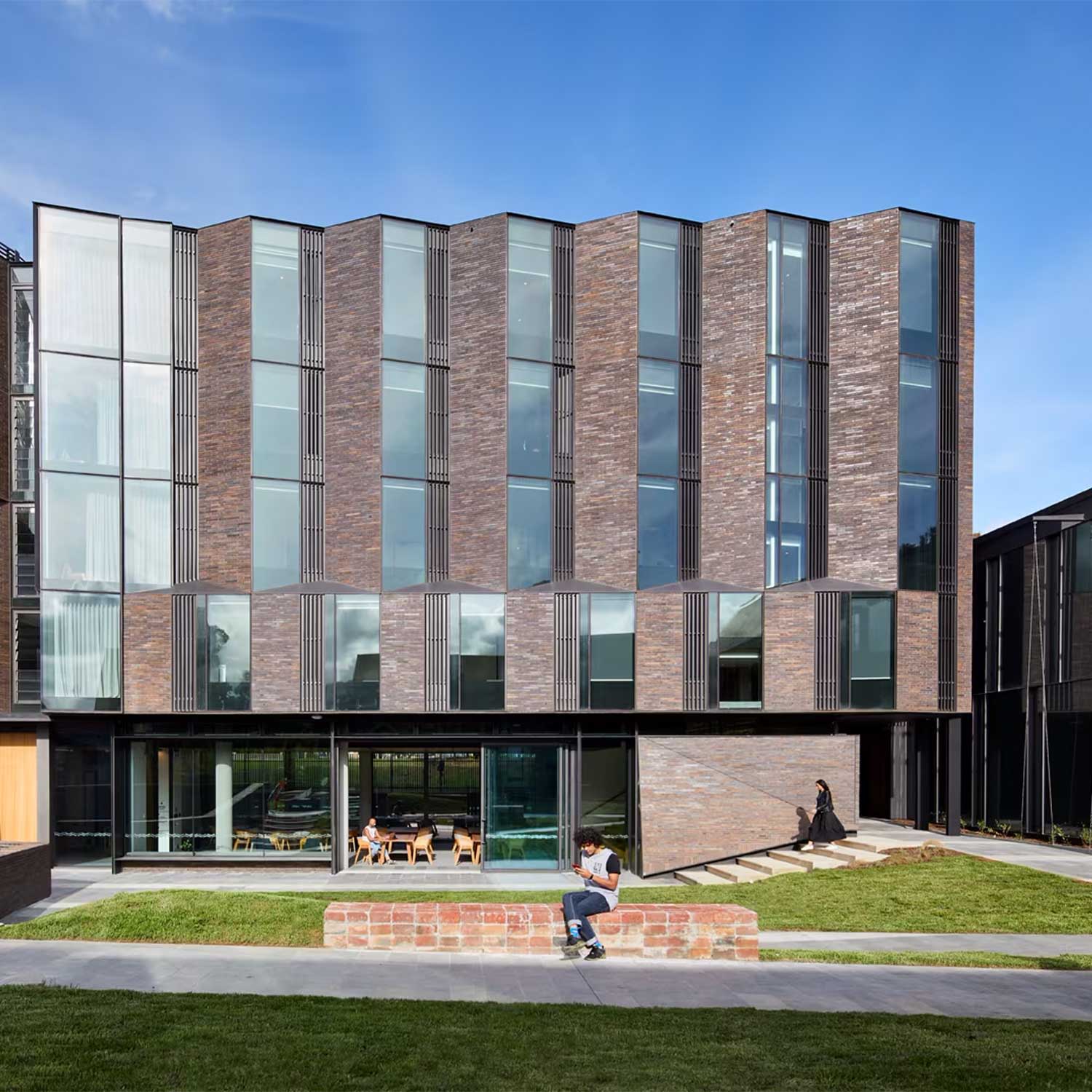
Opening of the Dorothy Jane Ryall residential building to accommodate up to 100 students. Boasting superb facilities, ‘Dorothy’ features a student study and common area, a gym, music and art rooms, office space and a two-storey Junior Common Room.
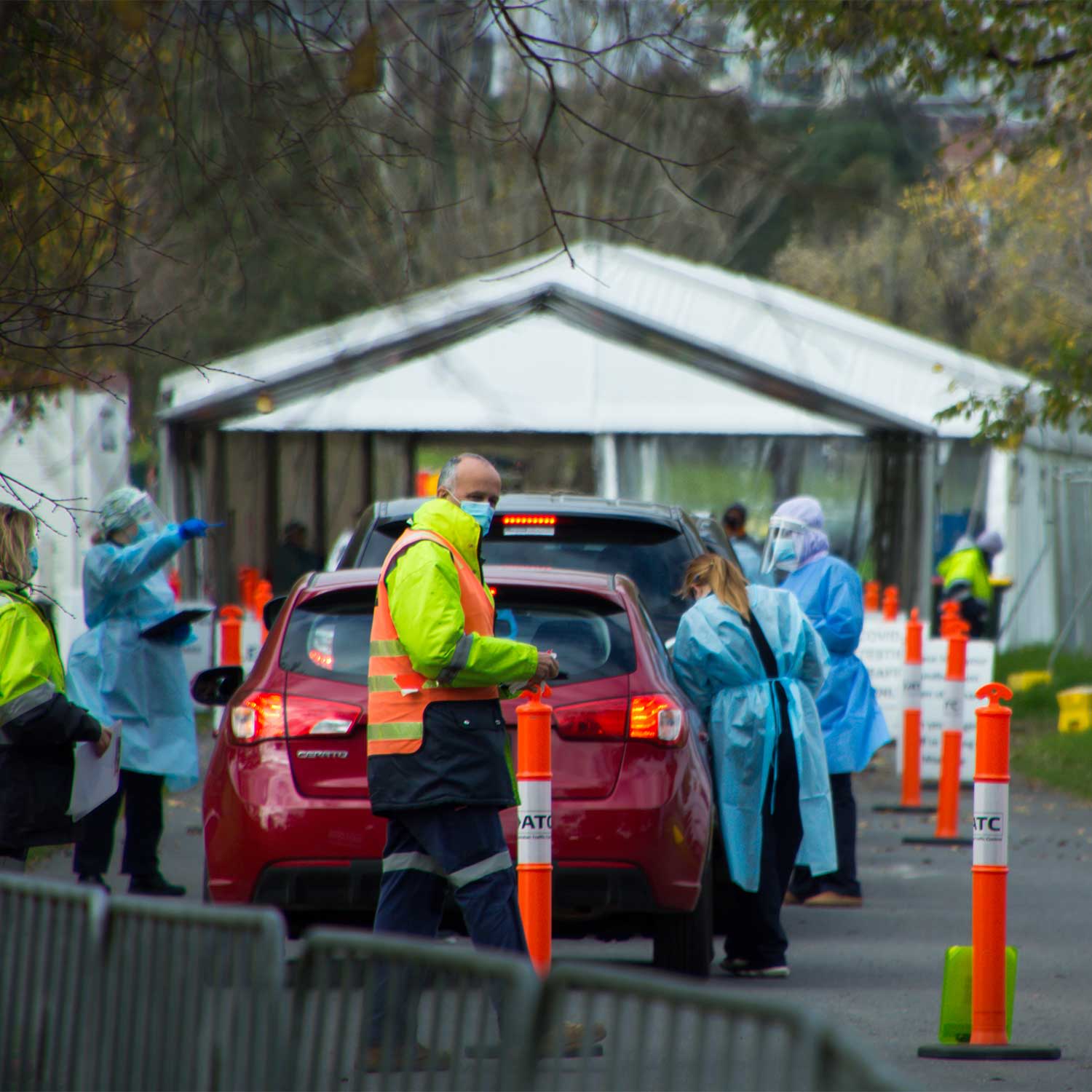
Ken leads Trinity through the pandemic in one of the most locked-down cities in the world. From uncertainty about international student enrolments to a marked reduction in staffing, the shedding of teaching facilities and a pivot to online teaching, this period tests Trinity’s leadership in novel ways.
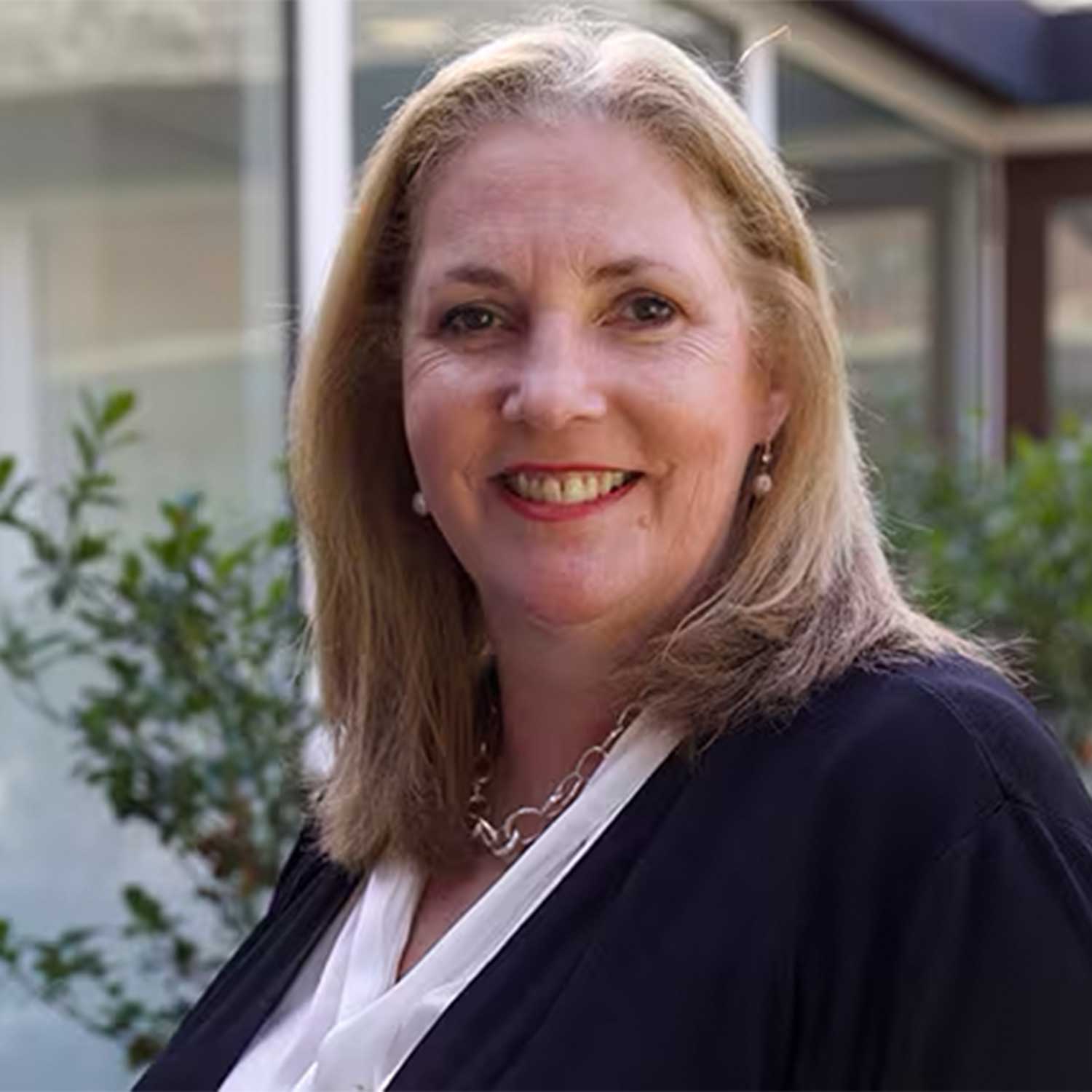
Kerry Gleeson is appointed Chair of the Trinity College Board, the first woman and non-alum appointed to the role.
Trinity’s 150th anniversary year is celebrated with an impressive schedule of events and programs. Highlights include a 1000-person gala dinner, the week-long Gourlay Ethics in Business series and the Trinity Oakleaf Awards, which recognised 150 living alumni and supporters who had made a notable contribution to the College, the broader community, or both, within Australia or globally.

Trinity’s Victoria Street campus reopens under a new lease after relinquishing the previous lease during COVID. This campus is exclusively used for Pathways School teaching.
Trinity 2030 Strategic Plan is announced – a strategy that builds on the College’s 2017 strategic plan by focusing less on bricks and mortar and more on people, community and cultural activities.
Trinity awards $2.6 million in scholarships to 111 students in the Residential College – all financial needs-based.
After implementing the recommendations of the Neave Review in 2024, Trinity commissions a second independent review of the College culture, the results of which are released in early 2025.
Two additional levels at Trinity's Victoria Street campus open to support increased student numbers in the Pathways School.
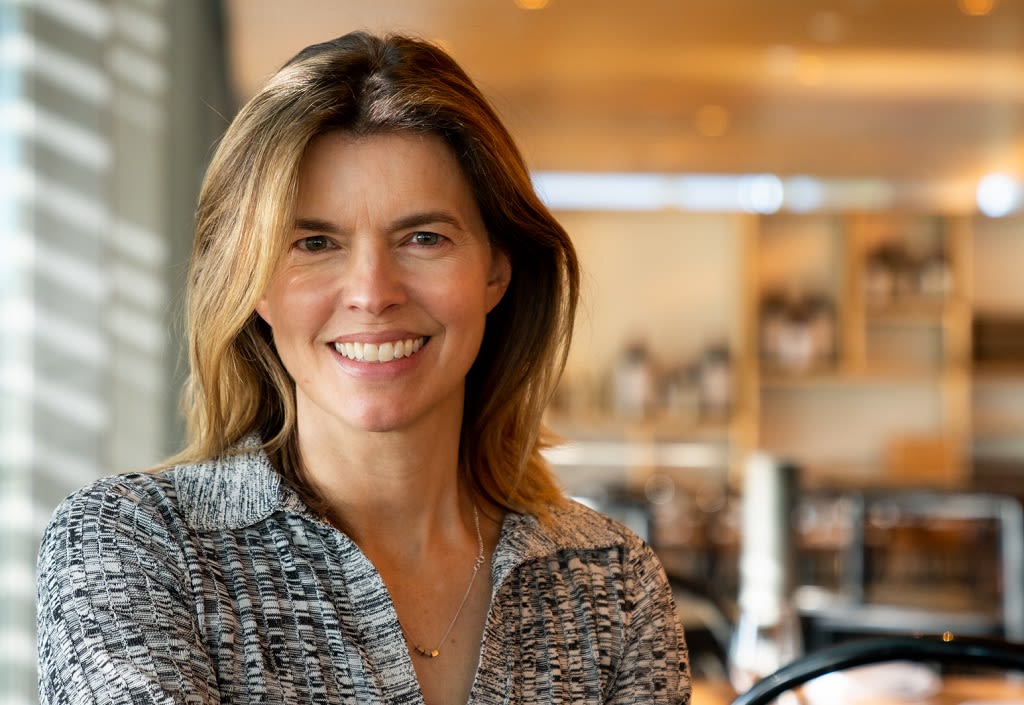
Kirsten Gray (TC 1984) is announced as the new Chair of the Trinity College Board, the fourth Chair during Ken’s tenure, following Jim Craig, Charles Sitch and Kerry Gleeson.

A C C Farran Hall and Kitchens Precinct officially opened, marking a substantial rebuild and extension of the Dining Hall and café area that was first erected in 1880.

The Residential College receives 576 applications for a 2026 place, the most applications since tracking began.
The Trinity College Future Fund is initiated, and arts and culture strategy drafted.
Ken announces that, in February 2026, he will depart as Warden.
READ NEXT STORY >>> OLD FORMS, NEW EARS
<<< BACK TO SNAPSHOT 2025
 Built with Shorthand