OLD FORMS,
NEW EARS
CLASSICAL MUSIC'S COMEBACK
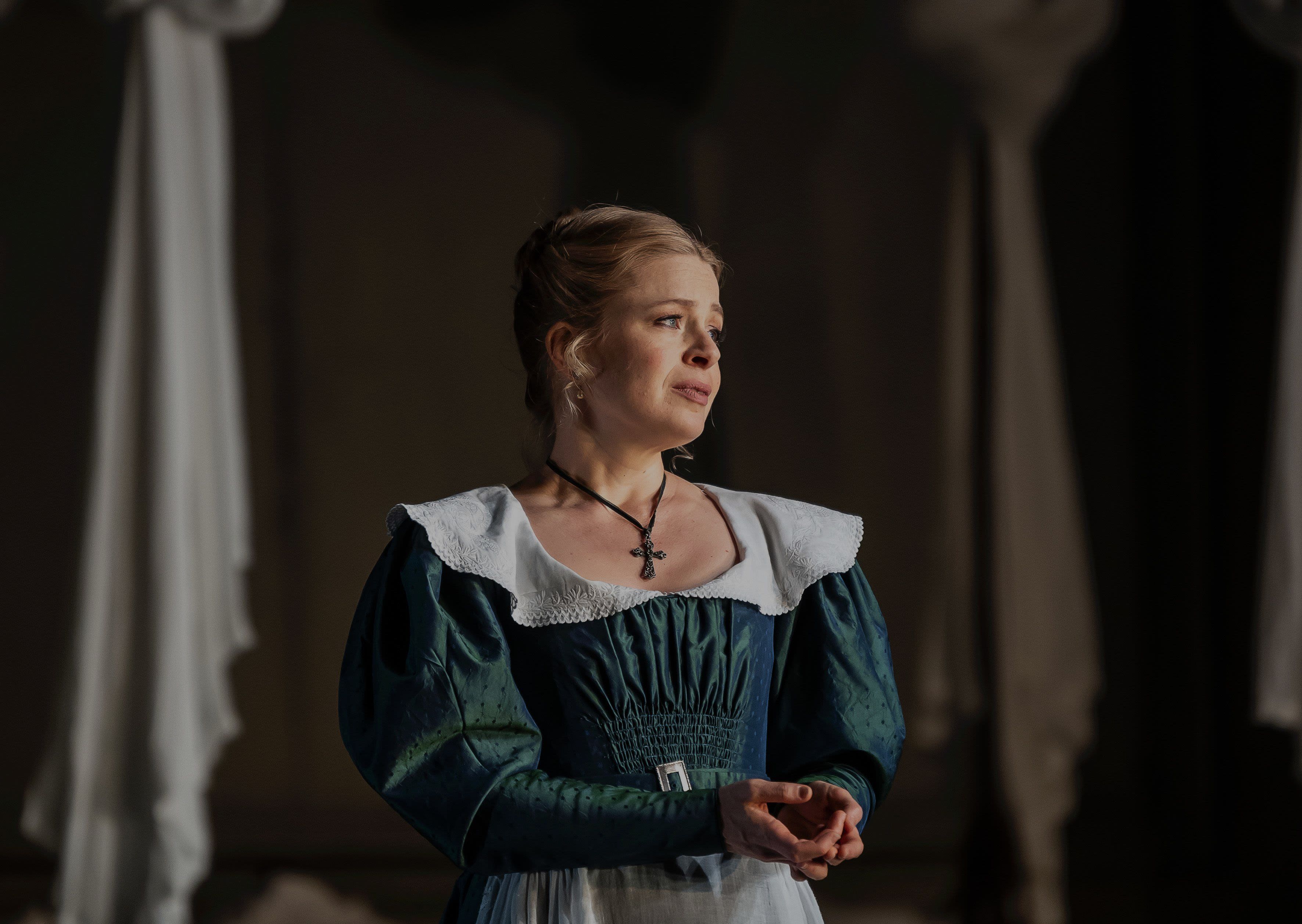

In a cultural landscape dominated by viral videos and playlists, the rise of opera and orchestral music might seem improbable, but statistics tell another tale. According to a recent study by the Royal Harmonic Orchestra, under 35s are more likely to listen to classical music than their parents. Trinity College alumni soprano Siobhan Stagg (TC 2011), conductor Nicholas Carter (TC 2004) and opera philanthropist Dr Alastair Jackson (TC 1967) have spent their careers championing classical music.
All three believe its emotional power, universal stories and communal life force are more relevant than ever – especially to new generations discovering it for the first time.

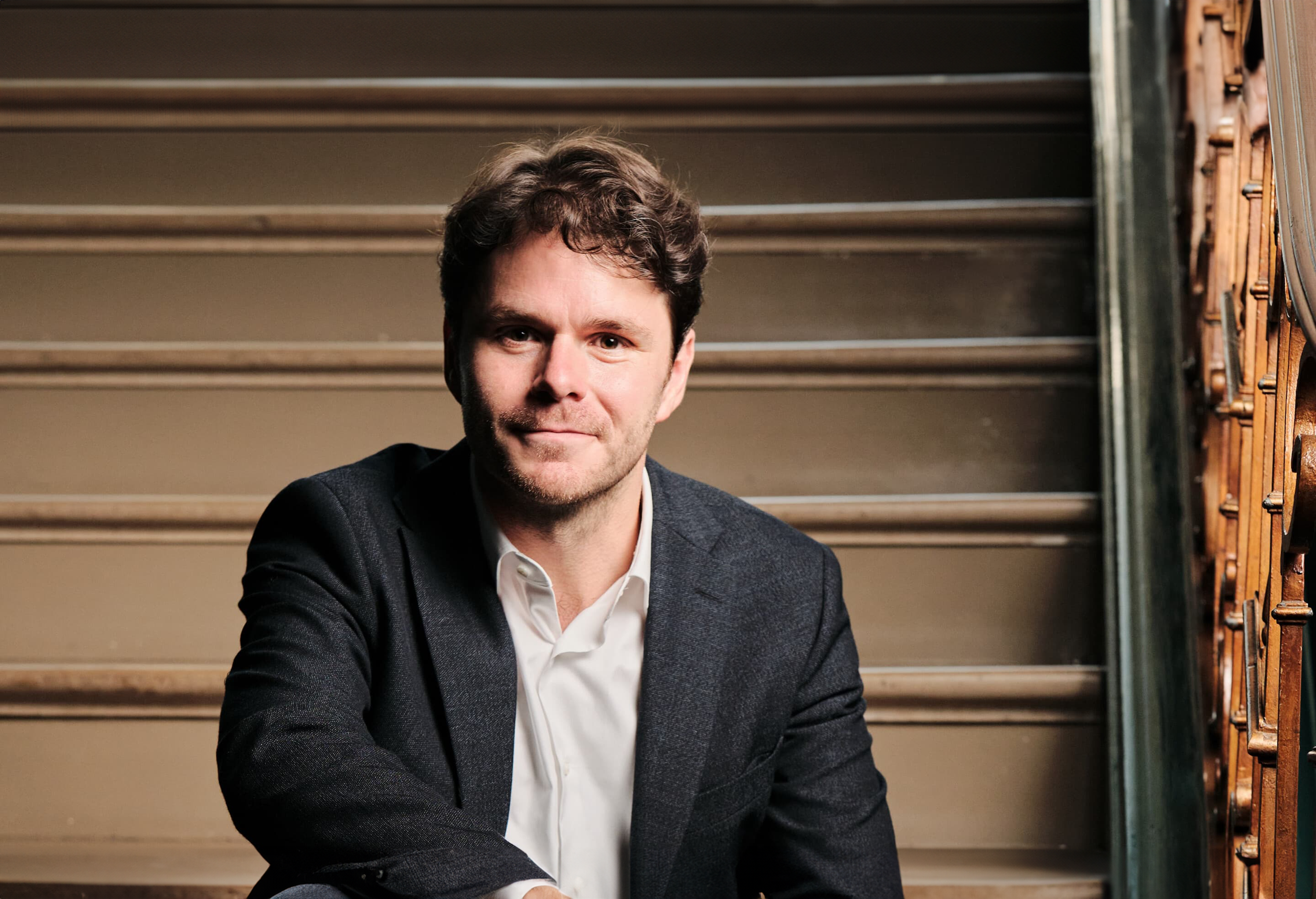
Renowned conductor Nicholas Carter
Renowned conductor Nicholas Carter
Acclaimed singer Siobhan sees opera not as an elite art form, but as something far more familiar. She believes part of the genre’s draw is its emotional reach.
‘Opera is about storytelling,’ Siobhan says. ‘It can transport us out of the everyday and into another world. But it also helps us process real life. The stories often reflect very human struggles like class, relationships and the desires we all share to find love, to belong and to connect.’
What can keep new audiences from engaging, she argues, is not the art itself, but the unfamiliar rituals around it. ‘People might not know when to clap, if they are allowed to take photos or what they should wear.’ But once those hurdles are overcome, the art itself is universal.
‘You don’t need to understand classical music to be moved by it,’ says Nicholas Carter, designated Music Director of Staatsoper and Staatsorchester Stuttgart. ‘We need to promote the ideas that there aren’t the barriers to this great art that contemporary society might like to assume; that it’s for a rarified elite with a certain background or upbringing. It speaks to us all.’
He believes there is a real hunger for authenticity among audiences. ‘In modern life, we’re bombarded with short, shallow, often artificial content, which has made people’s attention spans shorter and left them feeling disconnected from real and deep experiences.’
'People pay $700 for Taylor Swift tickets because they know they’ll have an amazing time. Classical music has to communicate that same promise.'
Siobhan Stagg

Nicholas sees classical music as an antidote to modern society, offering a rare moment of shared experience and quiet reflection. ‘We go to a concert to hear a symphony, and we’re surrounded by 1500 people, all sharing and experiencing the same thing. That’s incredibly powerful.’
That is not to say the trappings of modern culture cannot be useful in getting audiences to the concert hall in the first place. Nicholas witnesses firsthand how audiences are tuning in via different mediums.
‘Whether it’s through film scores or video game music or TV – if people are engaging with orchestral palettes, that’s a really amazing starting point,’ he says. ‘The question is how we transition people from there to the enormous catalogue of music beyond it.’
Regarded as one of Australia’s most influential voices in classical music commentary, Dr Alastair Jackson has long championed the performing arts – a commitment recognised in 2018 with the Order of Australia. He says opera should be open to everyone.
‘In 19th century Italy, opera tunes were the pop songs of the day,’ Alastair says. ‘People would be humming them as they walked down the street.’
He stresses the importance of accessible first encounters. ‘We’ve got to make opera as approachable as possible, but you can’t take someone straight to a Wagner’s Ring Cycle. That’s a bad idea. Start with La Traviata or La Bohème. They’re full of universal themes – love, passion and loss.’
Through her international career, Siobhan has seen how easily people can be left out of classical music by lack of opportunity. ‘The next generation of listeners and audiences aren’t just young people – it’s anyone who hasn’t had access yet,’ she says. ‘It’s about giving people an entry point into something they may never have encountered before.’
She applauds initiatives such as the Tasmanian Symphony Orchestra’s money-back guarantee. ‘People pay $700 for Taylor Swift tickets because they know they’ll have an amazing time,’ she says. ‘Classical music has to communicate that same promise.’

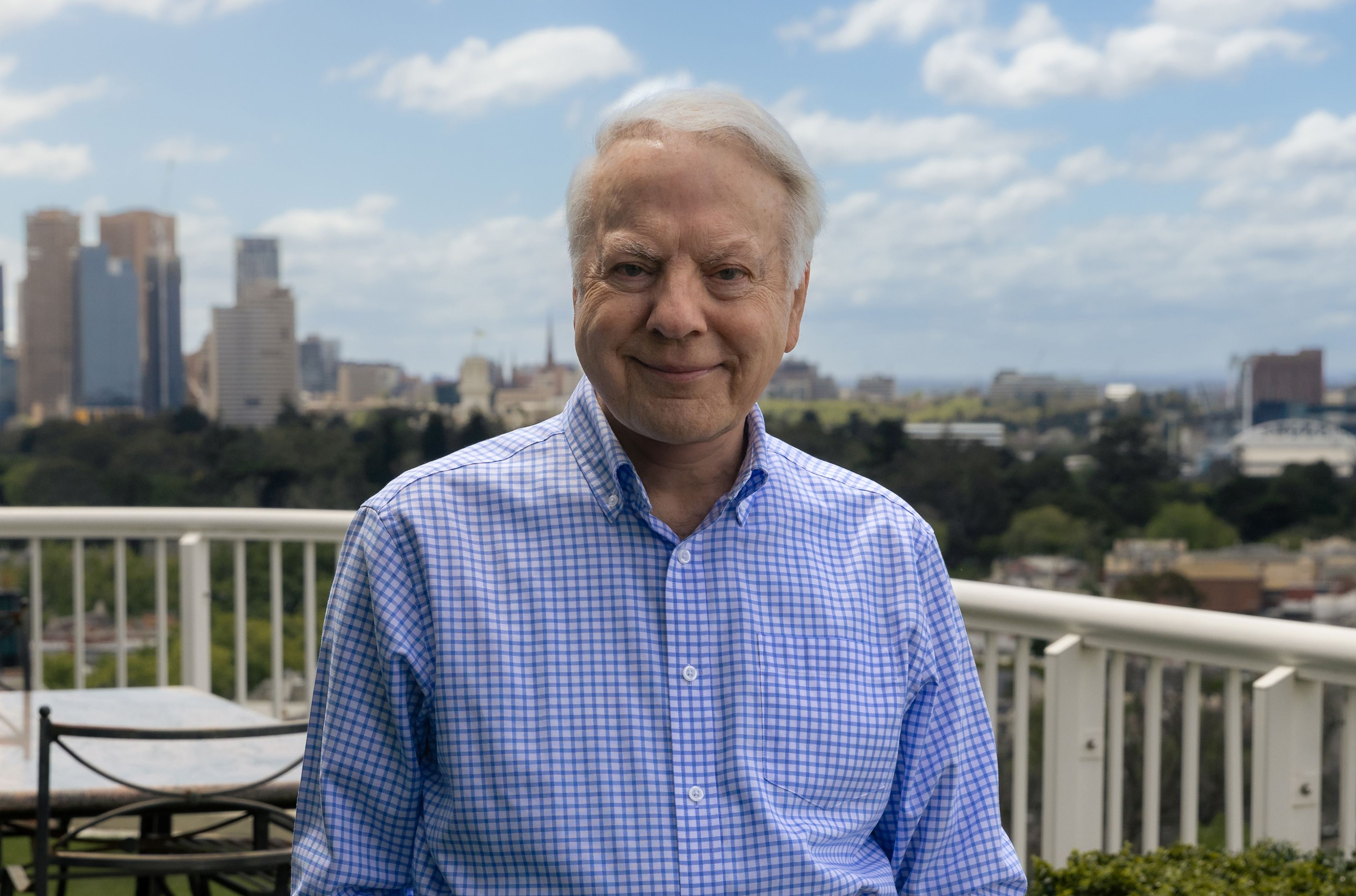
All three alumni highlight Europe’s deep cultural connection to opera and orchestral music, where the art forms are woven into daily life.
‘In Europe, opera isn’t a big deal,’ Siobhan says. She recalls seeing Germany’s then-chancellor Angela Merkel at one of her performances – not for a photo opportunity, but as a genuine audience member. She believes Australia can get there, but it requires buy-in.
For Alastair, the discovery of classical music by new audiences is encouraging, but just the beginning. ‘Opera is like a wonderful book. You’re constantly learning new things. Even after decades of listening, I’m still discovering new works.’
He says if people are new to classical music and enjoy the well-known pieces of Beethoven or Chopin, for example, it’s natural they’ll want to explore further – something made easy by YouTube.
Alastair’s commitment to fostering the next generation of performers has become his defining legacy. Through a $3 million bequest, the Alastair Jackson International Opera Award offers young Australian and New Zealand singers the opportunity to study at the Royal College of Music Opera Studio in London.
‘What made me want to ensure the award’s continuity was seeing just how much talent in Australia goes unrecognised,’ he explains. ‘Our winners don’t just improve their technique; they are mentored, they make connections, they find work, and they grow as artists.’
Siobhan was one of the award’s earliest recipients. Since receiving it in 2012, she has enjoyed an extraordinary career, with highlights including Berlin, appearances at the Salzburg Festival and, most recently, playing Susanna in Mozart’s Le Nozze di Figaro at the Sydney Opera House.
Both Siobhan and Nicholas credit Trinity’s choir as a formative part of their musical journey. ‘Along with the opportunity to travel internationally with the choir, singing there taught me to listen closely to those around me, refine my intonation and develop a strong sense of musical taste,’ Nicholas says.
Siobhan agrees. ‘We had to work through a huge amount of repertoire each week. It made you musically fluent. I still remember my first rehearsals and having that warm, glowing feeling in my chest, knowing I’d found my people.’
All three Trinity alumni are united by a shared belief: opera and orchestral music are not static relics of the past, but living, evolving art forms.
‘We are constantly growing and expanding our canon of operas and classical music,’ says Nicholas. ‘It’s not just music written 150 years ago; it’s also music that was written five minutes ago. What’s fascinating is seeing how new music interacts with its heritage and explores new ways of expression, finds new sound worlds and colours. I think that’s exciting.’
The stories of all three musical leaders remind us that artistry grows where opportunity exists. For all three, that opportunity began with a choir rehearsal, a conductor’s nudge or a scholarship that opened doors to a world stage.
For info about the Alastair Jackson International Opera Award, go to melbaoperatrust.com.au
READ NEXT STORY >>> SAINTS & SINNERS
<<< BACK TO KEN HINCHCLIFF: A FAREWELL
 Built with Shorthand