Peak Pressure
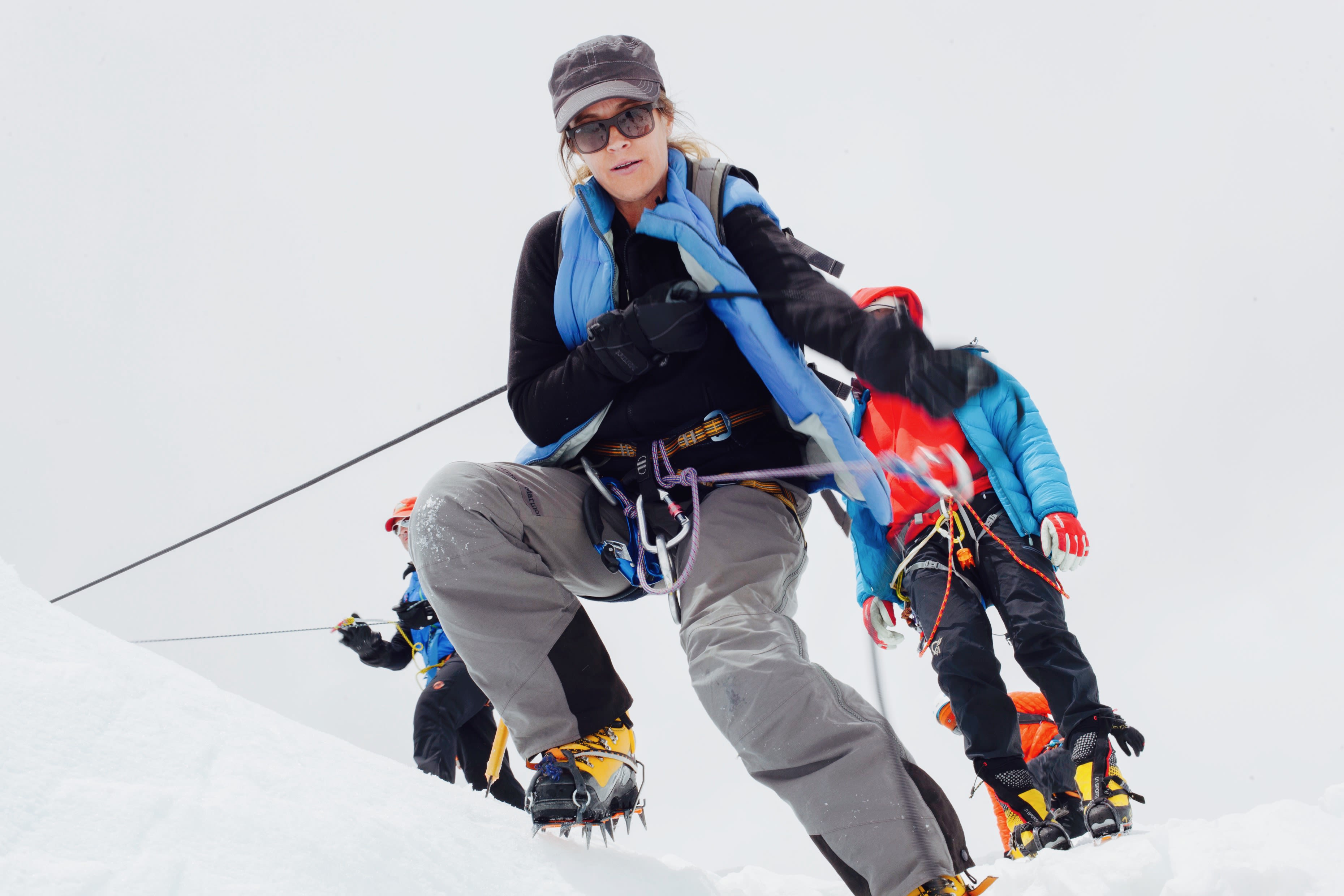

Two decades on from her first journey into the Himalayas, director Jen Peedom (TC 1995) and Trinity's 2026 Alum of the Year is ready to tell the greatest climbing story never told.
You’re dangling on the precipice. It’s well below zero. Beneath you, a trio of eager A-list actors await instructions from the production team and Sherpas. The biting wind whips around you, hindering every delicate camera move. It’s your first narrative feature film – and you’ve decided to do it the hard way.
They say everyone has at least one book in them, but BAFTA-nominated director Jen Peedom has always had Tenzing. ‘I kept coming back to it,’ she says. ‘It felt like it was always meant to be. My life has connected with Tenzing Norgay’s story, his family and the Sherpa culture.’
Set to be released by Apple Original Films, Jen’s debut narrative feature film will chart the early life of Tenzing Norgay, who, with Edmund Hillary, became the first explorers to summit Mount Everest in 1953.

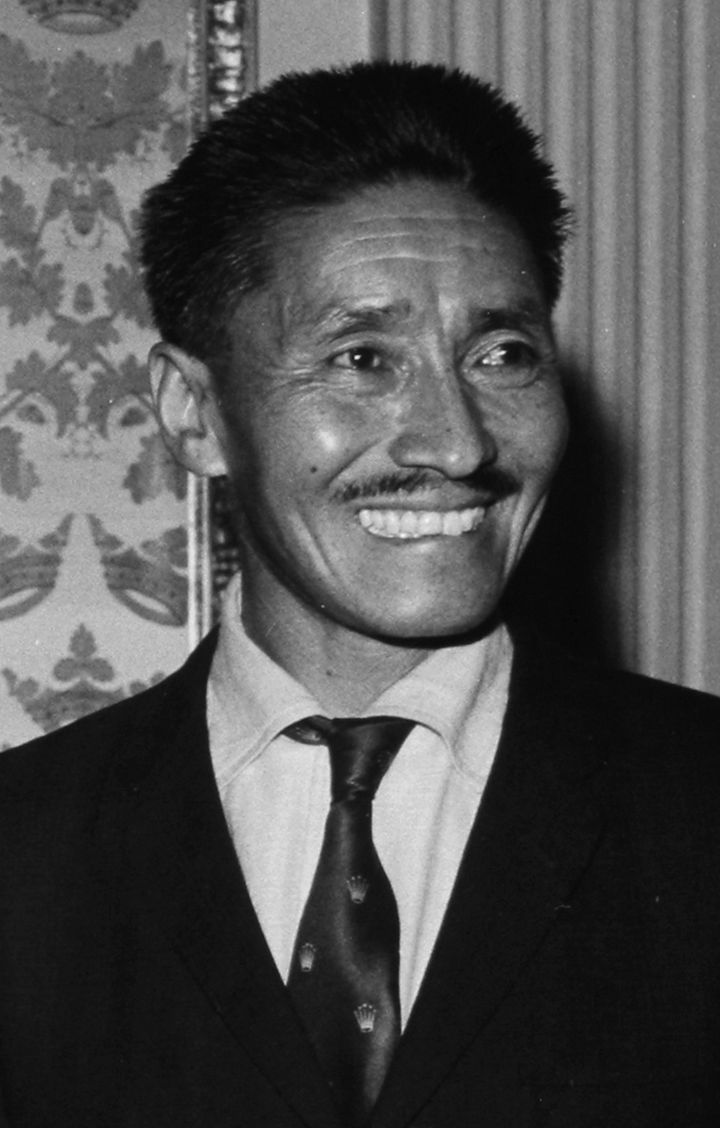
Tenzing Norgay
Tenzing Norgay

‘I'm not the kind of filmmaker who would shoot in a studio. I was adamant about that.'
Jen has been ‘in awe’ of mountains since childhood. Raised in Canberra, she remembers her parents taking the winding road towards Kosciuszko for ‘skiing or hiking, whatever was in season’ in the 1980s. However, it wasn’t until a year studying abroad took her to the foothills of the Andes where she truly found her calling. ‘I hiked to Machu Picchu – I never felt so alive.’
Jen’s career as a filmmaker is far removed from her studies. After graduating with a Bachelor of Business (Hons) from RMIT, she worked for a time at energy group Santos. Despite her success at the company, she had a nagging feeling that she was unsuited to corporate life.
Her work as a photography bursar at Trinity may have planted the first seeds of doubt. ‘Trinity was great,’ she says. 'To have the opportunity to display your work and for someone to say, “We think you’re good enough”, meant so much. It helped me figure out what I wanted to do.’ So much so that the 1995 edition of Bulpadok declared that 'photography is fast becoming an obsession at the expense of [Jen's] business course'.
Jen’s switch to filmmaking was written in the stars. At the turn of the millennium, she used the marketing skills acquired at Santos to land a job at Inside Film magazine where she built the contacts and confidence needed to take her first trips to the Himalayas as a camera operator.
‘We were all wannabe filmmakers at Inside Film,’ she jokes. ‘We supported each other to pursue our film career ambitions. As managing director, I selfishly facilitated that so we could all have our foot in the door while we wrote about that industry. So many of those people have gone on to become some of Australia’s best filmmakers. It was a formative time.’
Jen’s infatuation with the towering peaks and rich culture of the Himalayas was immediate. But like Everest itself, she found the reality to be a terrible beauty – a place where the lives of the Sherpa people were too often taken for granted.
‘I quickly realised how things really worked. The Sherpas do all the carrying, all the work and the clients just do the climb.’
This is not an attempt to belittle the achievement of scaling Everest, which she says ‘remains an incredibly difficult thing to do’. Still, she believed that Sherpas were not getting enough credit outside of Nepal for their dedication to performing a job ‘which is at odds’ with their spiritual beliefs.
‘I was always trying to incorporate the Sherpas into our narrative,’ Jen says. ‘I saw them carry climbers off Everest only for those climbers to never mention that they were rescued when speaking publicly... As much as I tried to include that narrative, the powers that be would cut that part of the story. It didn’t work for the narrative that they were telling.’
Jen knew there was a gap in the Everest narrative. Dismayed, she took a break and returned to Australia to start her family. She wouldn’t go back to Nepal for seven years.
In 2013, Jen returned to the Himalayas. There, she met up with a group of friends who were Sherpas to tell their story on film. What she saw surprised her.
‘I was there in the aftermath of a deadly avalanche which took the lives of many Sherpas. They were using social media to become more vocal about the fact that they were not being appreciated for the incredible things they were doing. I thought, “Now is the time to tell that story”.'

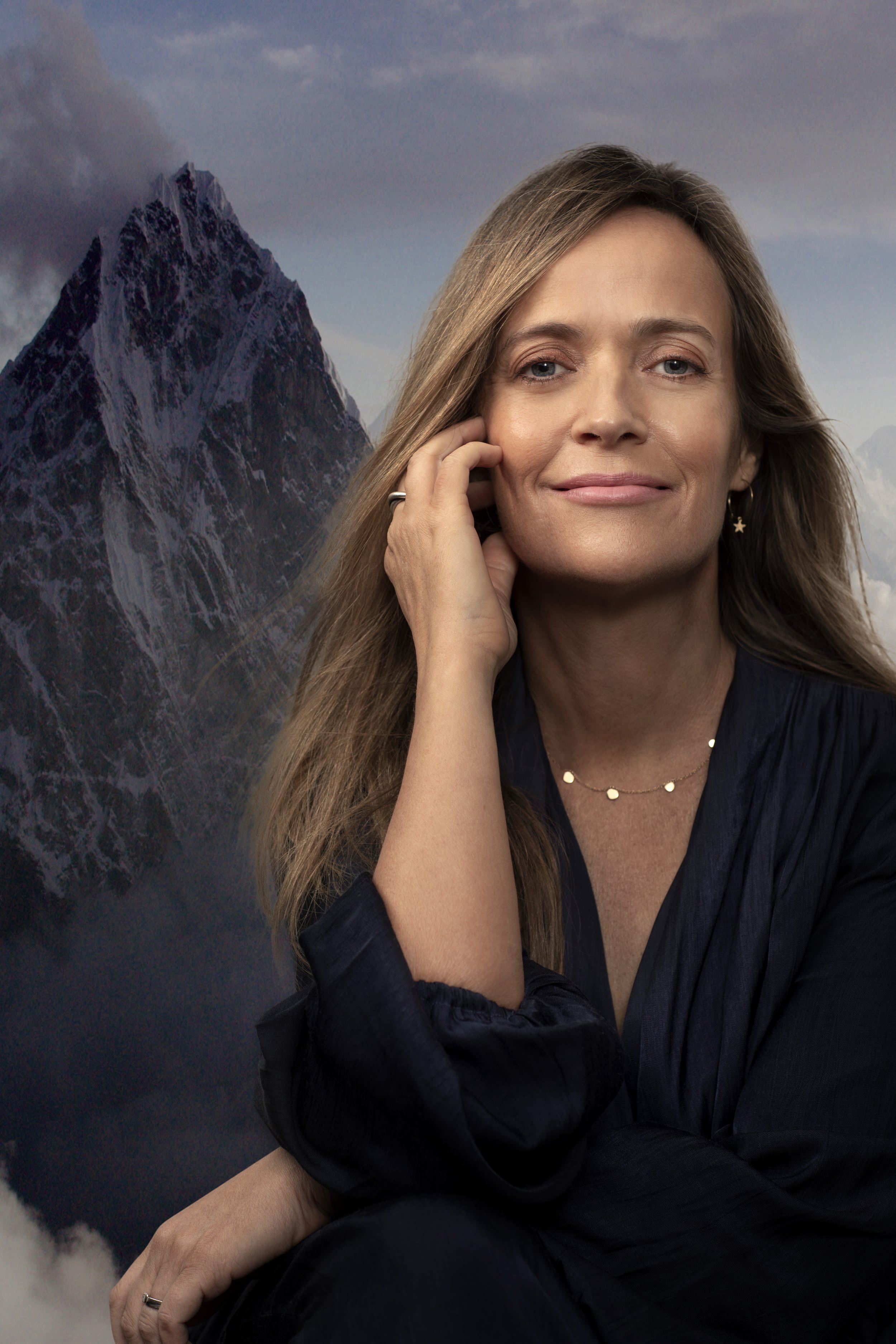
The result was the BAFTA-nominated Sherpa, a visually arresting and gripping account of changing attitudes among Sherpa climbers as told by a director firmly on their side. It was a game changer for the Sherpa image outside of Nepal and for Jen as a producer.
More feature-length documentaries would follow, including Mountain (2017), River (2021) and Deeper (2025), many of which deal with what Jen says is the human desire ‘to overcome something that will never love you back’.
We chat from Jen’s home in Sydney’s Randwick, just as she has wrapped up shooting Tenzing, which features actors Genden Phuntsok, Tom Hiddleston and Willem Dafoe. Despite the film being a product of Hollywood, the creation process remained authentic throughout, according to Jen.
‘I met Tenzing Norgay’s son Norbu through making Sherpa,’ she says. ‘I told him that someone needed to tell his father’s story and that it had to be a film ... The adversity that [Tenzing] had to traverse before getting to the starting line was breathtaking and none of these moments had any archival footage. It was obvious that it needed to be scripted for narrative film. The story demanded it.’
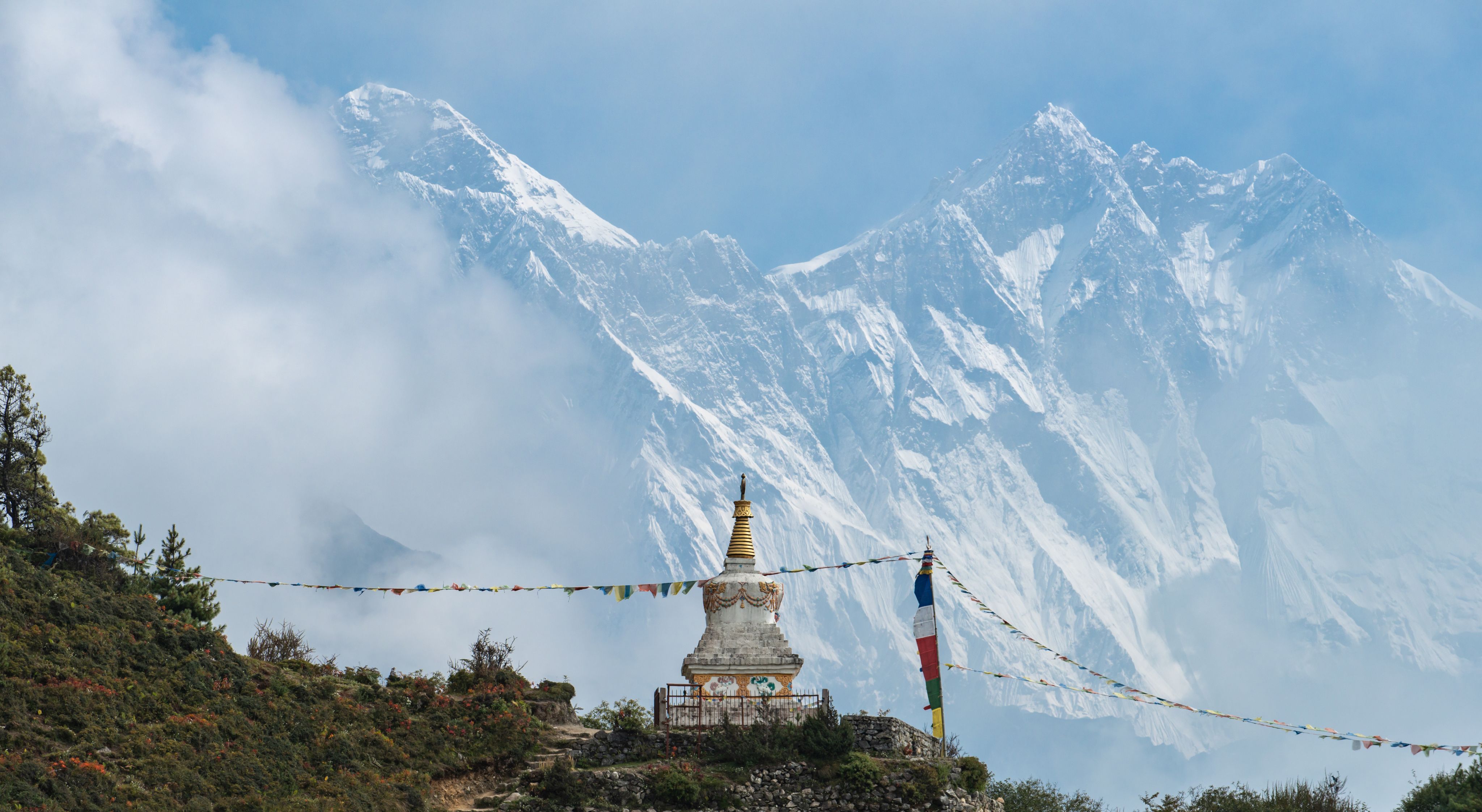
Jen received the Norgay family’s blessing and got to work on a script. ‘Every scene was shot live on location in Nepal and New Zealand. There was no green screening; 100 per cent of it is shot live. I’m not the kind of filmmaker who would shoot in a studio. I was adamant about that.
‘This approach would not have been possible were it not for the amazing team of Sherpas who shot the film with us in Nepal and New Zealand. There was something like 61 ascents of Everest in our team and this brought so much realism.’
This desire to be as authentic as possible came at a cost, however, with Jen recalling the difficulties of shooting in such unforgiving locations.
‘Let me tell you, it was difficult,’ she says. ‘Filming outdoors in sub-zero at perilous high-altitude locations could have been a recipe for disaster, but it felt like the only way to do it right. Yes, it meant for a difficult shoot, but difficult in the most thrilling way.’
Despite altitude sickness, high winds and bouts of food poisoning, Jen says spirits on set were buoyant. ‘I never heard a single complaint, ever. Everyone embraced the approach.’
With a total commitment to authentic storytelling in an industry all too reliant on artistic licence, it’s easy to see why actors want to work with Jen no matter how challenging the process – or, in Willem Dafoe’s words when asked to join Tenzing: ‘Disguise me as a mountain; I’ll be in whatever you want.’
READ NEXT STORY >>> EMERGING VOICES
<<< BACK TO SUPER TROOPER
 Built with Shorthand